The saying “water is life” is very true, especially when it comes to your hens’ health. A simple daily routine can save problems later on.
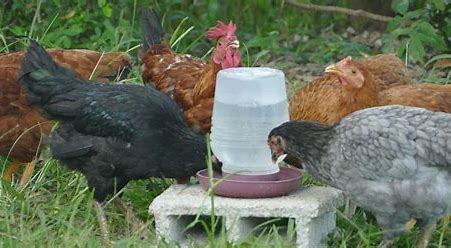
Clean, fresh water is equally important in the winter as it is in the summer. The drinkers (for there should always be at least 2, even for 3 hens, to avoid squabbling), should be kept clean and free of dirt and the build-up of green algae.
Changing the water every day will help keep your hens healthy and avoid problems such as diarrhea that can lead to further problems caused by filth on their feathers (such as fly strike). It also has the added benefit that you can see if your hens have drunk the usual amount.
Whilst they will drink dirty water, fresh is best!
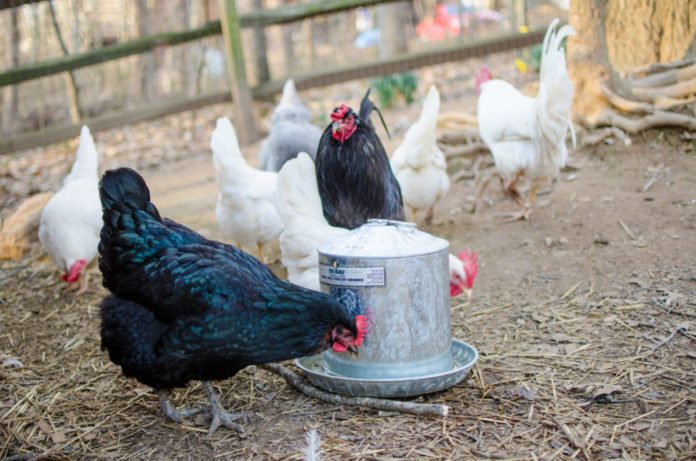
You should also remember to clean the drinkers on a weekly basis, just by rubbing off the green algae and washing them up as you would your own teacup. This will give you the peace of mind that if a problem arises, you can also rule out dirty water.
Remember that if you’re using medication or adding vitamins/minerals to the water, renew that daily too for the prescribed duration. Don’t let treated water sit too long.
Once a week I gave my hens an added boost in their water, be it ACV to help gut health, wormer, or a one-off product combining added vitamins and minerals to their diet especially during the moult when they need the extra top-up.
Which drinker to buy?
When it comes to the drinkers themselves, there are many varieties to choose from. I recommend avoiding buying a large one to avoid any temptation to fill it up once every few days!

Here are a few things to bear in mind when choosing.
- For a handful of chickens you should look at 5l drinkers.
- Transparent ones are better as it allows you to see if the drinker is free from algae.
- If the drinker isn’t on legs, it’s a good idea to sit it on a raised platform or a couple of bricks, so that dirt can’t get kicked into it. Alternatively you can get ones that hang from the ceiling.
- Automatic drinkers are great if your birds are living in a building, but make sure the pipework is insulated to prevent freezing in winter.

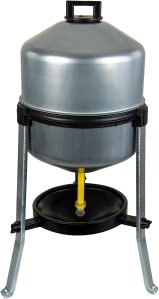
Remember to always have at least one spare drinker to hand. This is very handy in the winter if your drinkers freeze during the night (or day!)…you can switch them around whilst they defrost.
Lastly, if you intend on using ACV, avoid metal drinkers as the vinegar reacts and degrades the galvanisation.
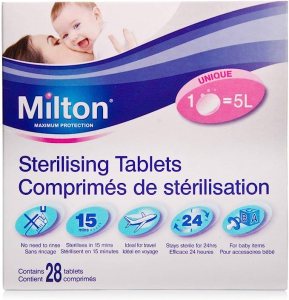
A great tip for cleaning the giant drinkers (30l) is simply to use the tablets you can buy for sterilising baby bottles. They come up beautifully with them!
En savoir plus sur Maman Poule
Abonnez-vous pour recevoir les derniers articles par e-mail.
 Maman Poule