Evolution – the egg came first!
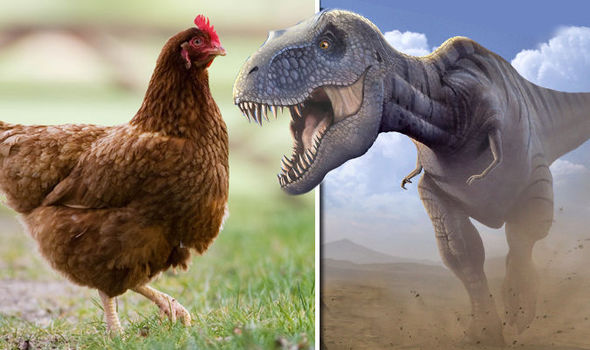
Our beloved hens have secrets, many of which we will never know! But one we do know is – your favourite flock of feathered friends are proven direct descendants of dinosaurs and more specifically, the Tyranosauras Rex!
What’s even more surprising, after attending many a dinosaur display over the last few years with my 7 year old daughter, some dinosaurs varieties had feathers. So its really very easy to imagine our pet flock with razor-edged teeth and the wings transformed (back) into stubby little arms! I think I remember from these shows that most dinosaurs laid eggs too.
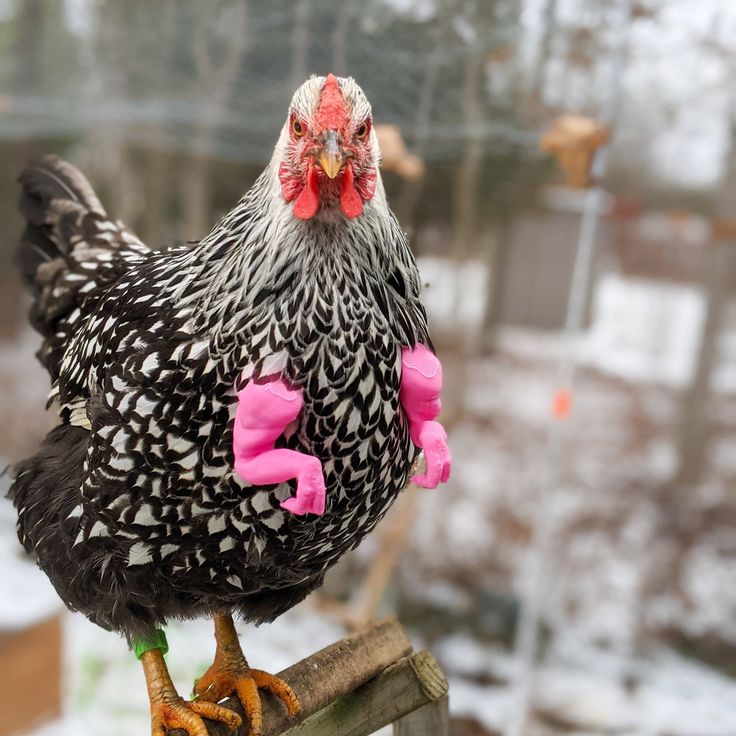
So much for which came first, the chicken or the egg!
I find history fascinating at the best of times, but especially when I can let my imagination wander whilst tending to my « flock » of T-Rexs!
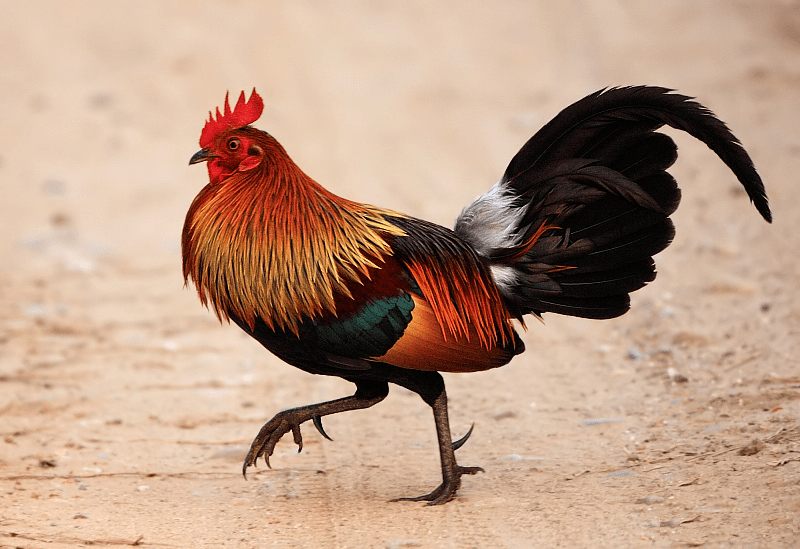
After the T-Rex transformation, at some point came along the Red Junglefowl – first domesticated in India around 2000 BC. Other archaeological evidence suggests that the Red Junglefowl was first domesticated around 10.000 years ago. DNA analysis and mathematical simulations suggest that the domestic chicken actually diverged from the Junglefowl much earlier, an estimated 58.000 years ago.
Whilst chickens are largely flightless, they can glide very well. Some lighter breeds glide much better than others, but none can fly. I actually find this surprising with breeds such as the Araucana (with its tail), especially when you consider that pea fowl, swans and ducks manage just fine. But I am not sure I would want a flying dinosaur – especially if its in the form of an angry, hormone-loaded young cockerel !! Something to bear in mind when placing the henhouse inside then pen – they love to sit up as high as possible. If the henhouse is too close to the fence, it isn’t very hard to at all to glide over the top of a 2m high fence.
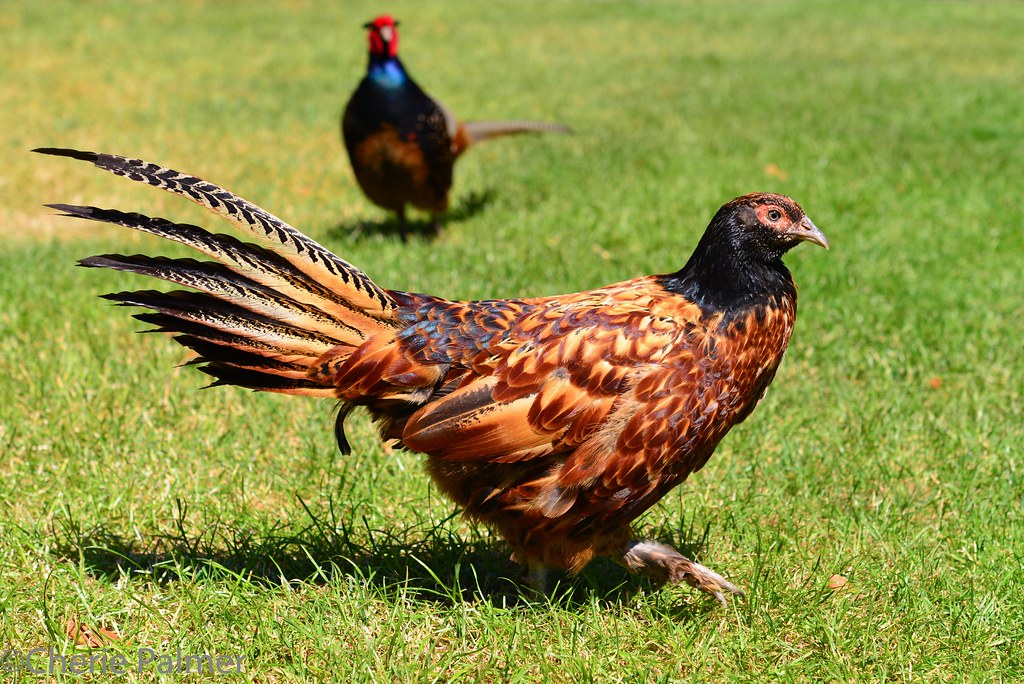
A fun fact is that cross-species breeding happens in nature, between chickens and pheasants – the result is officially called a « cheasant »!
Communication and hierarchy
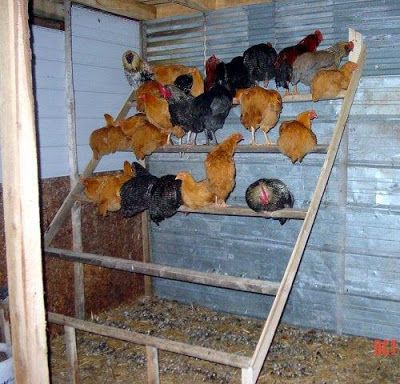
Les poules ont une communication complexe : vocale et corporelle. Pensez au nombre de fois où la Chickens have complex communication: vocal and with body language. Think about the number of times the top hen is litterally on the highest perch in the hen house, or the first to roost on the top of the henhouse. Less complex and more obvious body language has to be the way the cockerel dances for his desired lady friend – a funny thought, but I wonder if they get that idea from the T-Rex too?!!!! The image in my mind is rather amusing about now!
Another way to ascertain a top bird can be by the size of their comb, or indeed age can come into it to.
If you have ever been out to the henhouse after dark, you will have heard a very comforting sound from inside. Amongst all the various noises they use to communicate to each other, chickens purr to express their contentement when they are calm and relaxed. They may even do it when you stroke them!
Did you ever observe your chicken tilting its head to the side, particularly a protective broody hen or a cockerel? If so, he/she is keeping on eye on the sky for predators and one eye on the ground. If they see a predator, they will call to the others sounding the alarm – the noise is a sort of long, high pitched growl.
Intelligence and memory
When it comes to intelligence, the mini T-Rex in the garden isn’t stupid by far and has a great memory to boot. There are a few YouTube videos out there proving the fact that chickens can count up to about 10 very well. To my mind this also is very logical – how else would the broody hen know if she is missing a chick, although counting in this form is more by the « shape » of the number of chicks rather than actually counting.
I challenge you to make a game to play with your garden T-Rex and report back! I would love to see the results!
Numbers and counting
There are an estimated 24 billion chickens in the world, making a ratio of 3 to 1 against us. There are around 5.1 billion living in China with a close second in Indonesia with approximately 3.48 billion.
Closer to home, the European country that eats the most chicken in terms of per capita is Portugal. The UK and France are the biggest poultry markets in the region.
A chicken can run at speeds up to 14km/h and has more bones in its neck than a giraffe. They also have very good colour vision. The record number of eggs laid by one hen is 7, with the most laid during a year being 371.
Teeth
Chickens do not directly have teeth like ducks or geese, however they store grit in their crop. Grit is simply small particles of sand or stone, which helps grind up whatever food they pick up. Their sense of taste is not as advanced as ours, although they can discern the difference between sour and sweet but not spicey. Their 150 taste buds are located in the back of their oral cavity, so they don’t really taste much until they have nearly swallowed it.
So next time you are at a dinosaur display, think of the chickens wandering around happily in your garden – they outnumber us humans by a large proportion. Perhaps they are playing the long game and are plotting to take over the world, reigning chaos (and eggs!) down on us mere descendants of the ape.
En savoir plus sur Maman Poule
Abonnez-vous pour recevoir les derniers articles par e-mail.
 Maman Poule