It is widely believed that one can simply add new additions to an existing flock without any repercussions – we assume that they will get along just fine.
This is very far from the truth, as any experienced keeper will tell you!
Chickens are very social creatures – they are very susceptible to stressful situations too. You have heard the phrase « pecking order », right ? Well, this is where it stems from! Poultry have a very strong sense of hierarchy ; from the chief to the bottom of the pecking order. Incidentally, the head of the flock is usually one of your hens with a larger comb, not always the cock bird if you have one! The size of the comb matters to chickens, not just for health reasons as a way of expelling excess heat. But I digress!
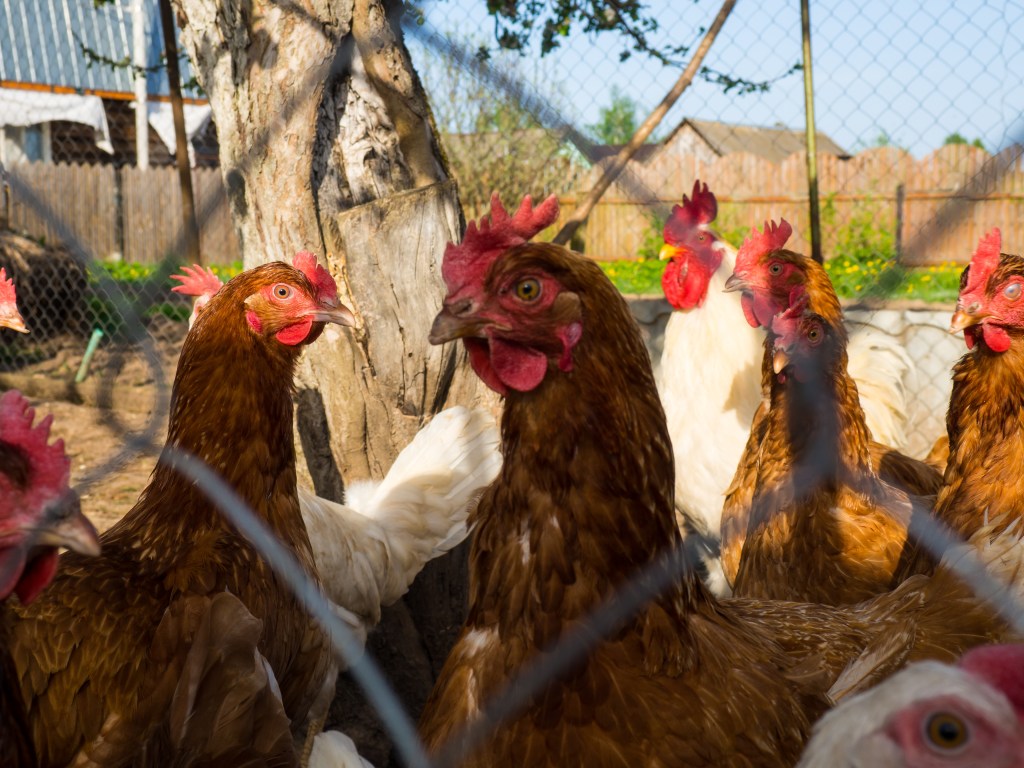
When a new comer is introduced to an existing flock, chaos reigns. The pecking order has to be reviewed and adjusted accordingly – the new arrival usually near the bottom if she is on her own. She is seen as an outsider or even an enemy, posing a danger to the existing flock. If several birds are added to an existing flock, the balance changes depending on the number of existing hens to the number of new arrivals – almost like amalgamating two flocks into one if its a 50/50 split.
Le facteur stress
As the pecking order adapts, it is a stressful time on all the birds, but especially so on the new arrival. This stress is very relevant and must be managed correctly to avoid illness (or contamination by the new arrival if she is ill or has parasites like lice).
If mismanaged or ignored entirely, stress can and does lead to illness and death in extreme circumstances. The salient points are:
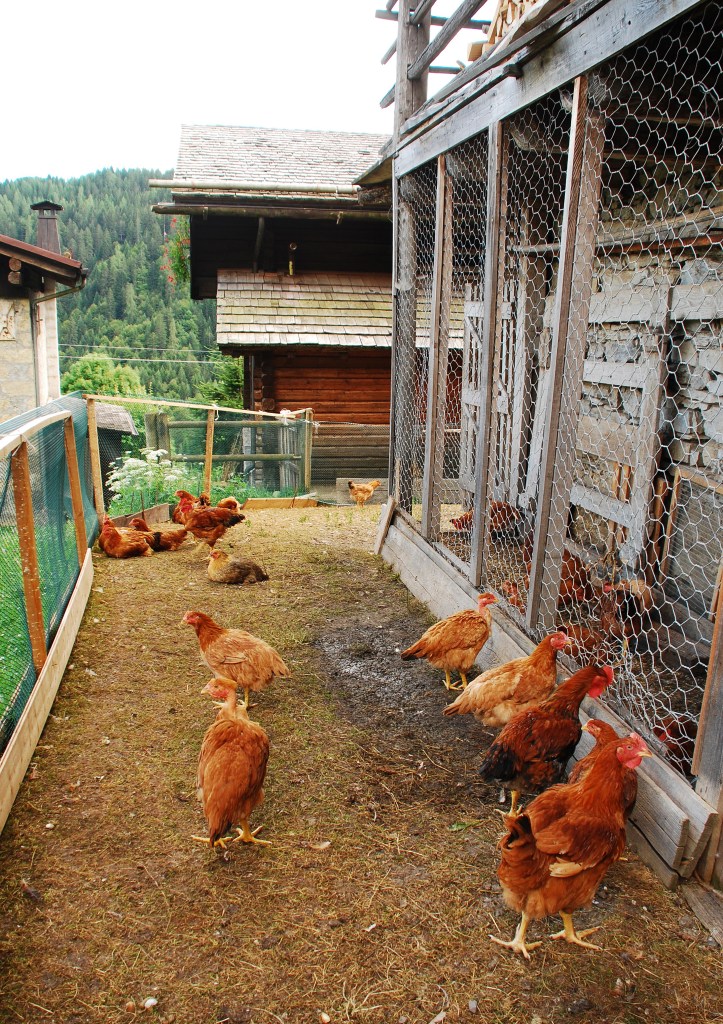
- Food. There is more competition for food and water provided by the keeper. To alleviate this potential cause, add at least one or even two feeders and drinkers during the first couple of weeks.
- Space. Adding extra space is a little harder to manage, but we will return to this topic in a bit.
- Health – is your existing flock healthy and strong? Is the new arrival healthy too? Disease and illness can spread like wildfire and on occasion, an apparently healthy bird can catch a cold, especially during stressful situations. A simple sneeze can potentially lead to birds getting respiratory infections and dying – which can then spread through the whole flock.
- Season. The time of year can also have an impact on stress – DO NOT introduce new birds if your flock is moulting or has just finished. During the moult they are at their most vulnerable and the immune system is not up to the task of keeping them safe in such a situation.
- Pecking. The flock will defend itself and punish outsiders. Injury can occur so care must be taken when introducing new chickens.
Time…
…is your best friend and costs nothing, in theory. A goodly amount of problems can be avoided if time is taken to introduce new arrivals properly. Would you let a complete stranger sleep in your house?
The best way forward is slowly but surely. A new chicken needs to see her new flock, as does the new flock need to meet her. A need to meet each other is a basic instinct, and to get to know each other. The safest way to do so is separation via chicken wire.
If you have a spare pen in view of the existing enclosure then that is ideal – obviously the spare pen must have a hen house for shelter, egg laying and protection from the rain.
The other easy option is a covered run in the existing flock’s enclosure. If you don’t have a spare hen house but can provide a covered run, then that is almost as good. You will, of course, need to plan where the new birds are going to roost at night.
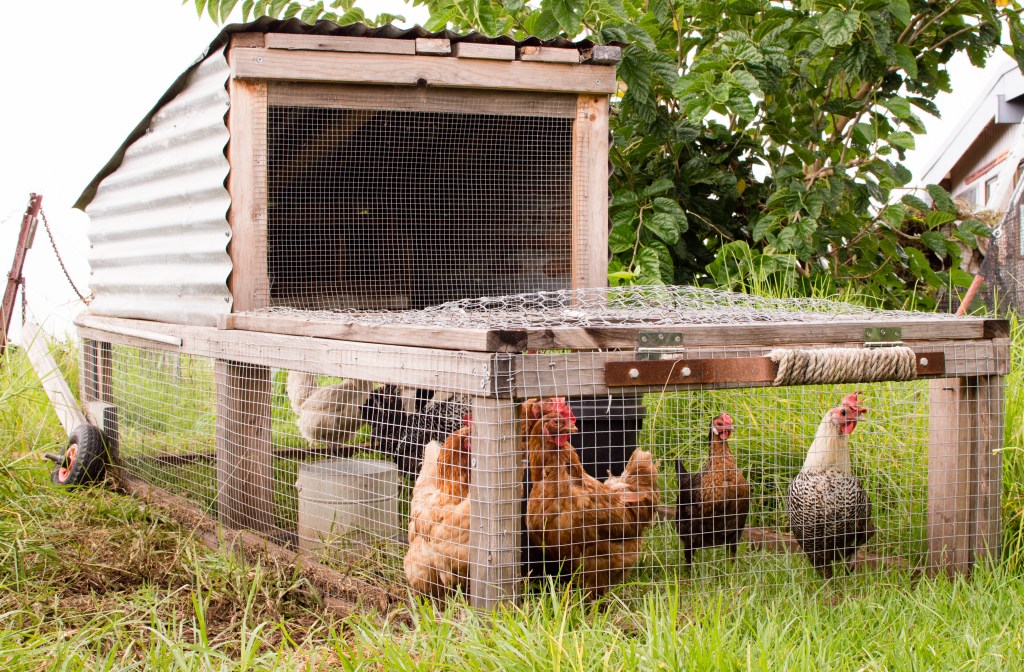
Even a rabbit hutch will do. Perhaps you set up a medical ward when you bought your initial hens in case of illness, but is not in use ? If so, this will suffice too for a few nights. So long as the chickens can see each other.
This separation method needs to be done for at least a week, preferably two. The longer, the better, thus ensuring success when they are finally released into the same pen together.
After a sufficiant amount of time has elapsed, the final step is placing the new chickens in the henhouse at dusk, when everyone is safely tucked up for the night. Chickens cannot see very well in the dark, so they are usually at their calmest at this time.
The fun begins when you open the henhouse the following morning. Having already placed extra feeders and drinkers around the enclosure, observe the chickens as they come out. They will likely fly around, leaping from the top of the ladder making a bit of fuss. After a few minutes they should calm a little, going to drink or feed.
After a few more days, calm should return to the flock.
Additives
To help alleviate stress, you can anticipate your new chickens by boosting your existing flock’s immune system with vitamins and minerals in their feed and water. Some cod liver oil mixed in their morning ration in the feeder is an easy way to do this. Products like Stressless are brilliant, giving a strong boost to their system to help keep colds and other respiratory problems at bay. An alternative is trusty apple cider vinegar, keeping the gut healthy.

Worming is also a good idea when the new birds arrive, so that all your flock is done at the same time and are synchronised.
Continue with your usual routine once the flock as settled down again, ensuring that you give extra treats (in quantity) than you normally do, to help keep squabbling to a minimum.
What can go wrong – a case study
Here is an example of what happened recently to a colleague of mine.
The existing flock of three chickens, aging from around 12-18 months, have a beautiful new henhouse with an enclosure of about 40m2. There is a Wyandotte, an Azur and a hybrid.
Two new chickens, aged around 6 months old, are introduced at night – placed directly into the henhouse. They have never seen each other before.
I do not know what happened over the following days, blow by blow. However, it did not end well for the youngest of the existing flock.
- Sadly the little Azur died of a cold which likely led to a respiratory infection. One of the new chickens (both Sussex) had the sneezes. The keeper was able to get the Sussex well again but the Azur was not so lucky.
- In addition, the second of the existing flock was rehomed, having been judged as too aggressive. She is a Wyandotte, who I admit do have character, but I firmly believe she was likely doing was instinctive – protecting her flock (she was the chief).
Thankfully no injuries by pecking were caused, adding complications to an already stressful situation.
Please pay attention folks – I ask you again: Would you let a total stranger into your home and sleep in your bed?!!! I highly doubt it.
Prevention is better than a cure…and don’t forget to enjoy your new birds!
En savoir plus sur Maman Poule
Abonnez-vous pour recevoir les derniers articles par e-mail.
 Maman Poule