Every year birds renew their feathers, either partially or totally. This means that their old feathers fall out and new ones grow in. The old feathers can either fall out in one go, leaving them bald, or a little at a time. From my experience this just depends on the individual, the climate and their current health status.
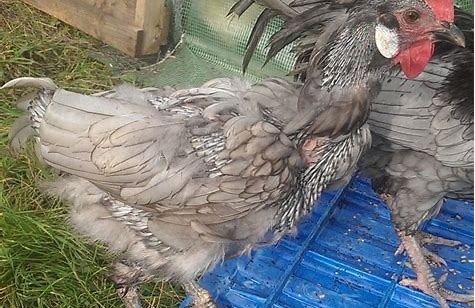
Wild birds shed their feathers too although for obvious reasons, they do it gradually so that they can still fly to safety, hunt and keep warm or cool depending on the weather (rain or sun, wet or dry).
Did you know that a chicken moults three times before adulthood?
The annual moult applies to adult poultry who have had their first winter. I studiously avoid stating they have had their first breeding season, as it depends on what time of year they hatched. In nature it’s the seasons that count.
Incidentally, a pullet becomes a hen after her first adult moult. A cock bird becomes a cockerel after his first adult moult, if he makes it this far by not ending up on the dinner plate! Both are fully grown by this point.
Just occasionally a chicken won’t moult, for reasons only known to Mother Nature!
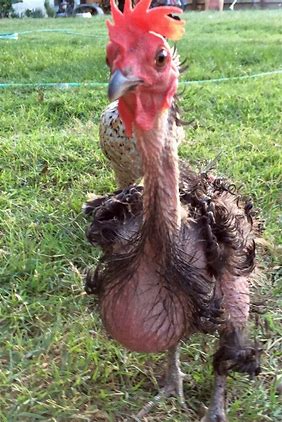
When does the moult occur?
The answer to this question seems to depend on the current weather conditions to a degree. In this part of France, my birds have always started their moult around mid September.
How long does the moult last?
On average it takes from eight to twelve weeks start to finish. The duration can vary depending on various factors such as:
- Nutrition
- The weather
- Health
- Age of the bird
Chicken manuals and online research state that they start from the head and work their way down the body, finishing with the tail. Try telling that to some of my hens, who either do it all in one go or patchy!
Do hens continue to lay during the moult?
No, expect your supply of fresh eggs to dry up for the duration of the moult. The hens need all the calcium that go into making eggs to make their new feathers and remain healthy.
How can I speed up the process?
Yes, to a point! You can adapt their nutrition to include more vitamins and minerals such as calcium. This will ensure they remain strong and healthy. Extra vegetables such as brassicas will help them along, as they are packed full of goodness.
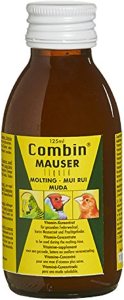
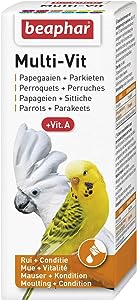
Chickens are at their most vulnerable during the moult – do not handle them when they are growing their new feathers, as they can easily be broken.
The new feather shafts are full of blood and if broken, it causes stress and attracts unwanted attention from predators and other chickens.
The odd chicken might moult during the Winter. If this is the case, make sure they are kept in a draft-free, warm barn or shed where they are safe from the inclement weather. They can easily get sick during the moult.
If you have black chickens you will certainly notice a difference after the moult. The new black feathers will stand out against the old ones, which you may not have noticed become faded by the sun!
The hens will come back into lay in time for Winter. However, you can’t rush them – they need to be the right weight and in good laying condition before they can start again.
Sidenote: if you clip you chickens’ wings, remember to clip a wing again after the moult!
En savoir plus sur Maman Poule
Abonnez-vous pour recevoir les derniers articles par e-mail.
 Maman Poule
Une réflexion sur “The moult”