For this week, I have chosen a relatively simple yet surprisingly common topic – what size chickens would suit you best?
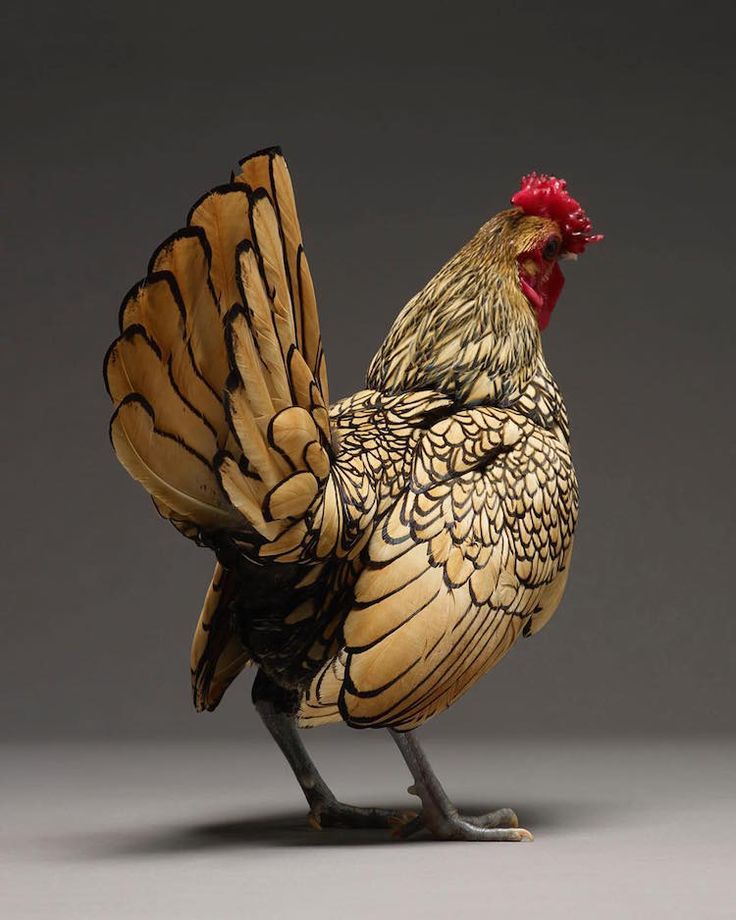
Did you know that there are hundreds of chicken breeds dating thousands of years of domestication? To help you get over your excitement of discovering all the weird and wonderful breeds out there, I am going to put together an article every week, focusing on just one breed at a time. I will endeavour to list their good and bad points (or rather, their disadvantages), some basic information on how to keep them if they have special requirements, and so on. This will better enable you to decide which you think you might like to have for your own – indeed, many keepers start a collection (we all do it, including myself!).
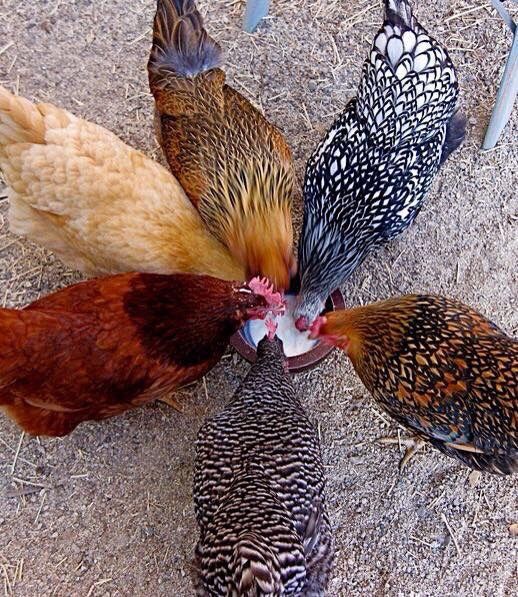
Before going into the breeds, let’s look at them from a more general point of view.
Chickens come in all shapes and sizes, from true bantams measuring barely taller than an iPhone, to the beautiful Brahma reaching past my knee at head height. But what is a bantam? Or a true bantam at that? Does a Large Fowl breed mean the chicken is tall? Here are some answers that I hope you find interesting!
What is a bantam chicken?
A bantam is the official term for a miniature chicken, in the same sense you can get miniature and standard breeds dogs such as the Poodle. A bantam chicken lays much smaller eggs than the ones you find in the supermarket. For example, an average egg will weigh around 55-60g. The Malaysian Serama lays eggs weighing on average 25g. Incidentally, the Serama is the smallest chicken in existence, measuring around 15cm tall for the smallest bloodlines. They weigh around 500g.
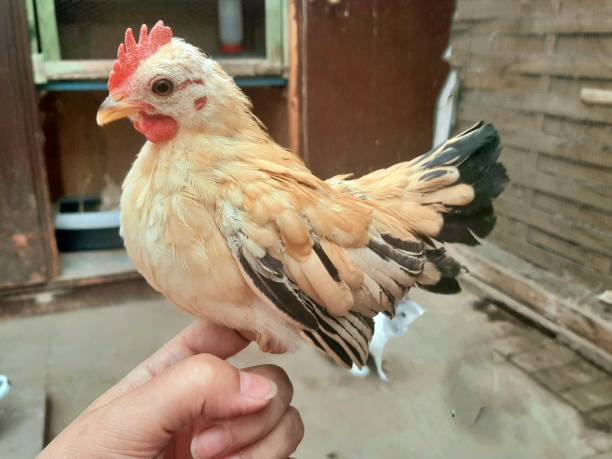
The obvious advantage to owning a bantam is that they require a much smaller space in terms of the henhouse and enclosure.
A big disadvantage, aside from much smaller eggs for your breakfast, is clearly their susceptability to attack from predators from the sky and the ground – I have found that cats don’t usually bother larger chickens but a bantam may be too much of a tasty snack to pass up.
What is a « true » bantam?
A true bantam is a breed of chicken that has no « large fowl » counterpart. There are many examples of this but I think the Java is a great little true bantam not to be overlooked. Another very well known bantam is the famous Pekin, known for her broodiness.
Large fowl chickens
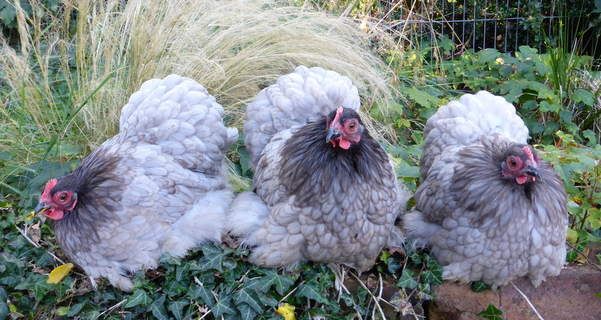
As the name indicates, these are the larger chickens such as the your friendly hybrid at the market, the Marans and the Faverolles. The largest chicken is the Jersey Giant, weighing in at around 6.8kg and around 66cm tall. There are others such as the Malay too – it depends on whether we are referring to their height or weight! This is something to bear in mind when choosing the henhouse to match the choice of breed – make sure they match or you’ll be buying a larger henhouse! Although if you’re like me, you will be buying new henhouses on a frighteningly regular basis as the collection of breeds grows!
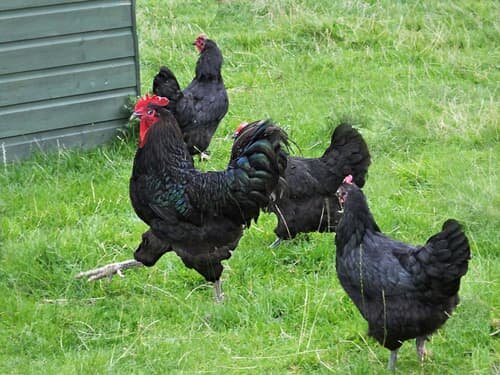
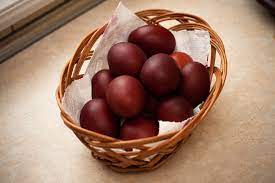
To put a spanner in the works, some breeds of chicken lay different colour eggs, from white, to blue, from purple to olive green and of course, chocolate.
Another complication is the quirkiness of some breeds – their character can often be a deciding factor (whether they’re docile or difficult to manage) – some have feathered feet which don’t go well in muddy environments – others are very flighty and will require much higher fencing to keep them contained and safe. On this point, typically light-weight birds like the Araucana fly much better than a chunky Cochin – its all to do with wingspan and power to weight ratio!
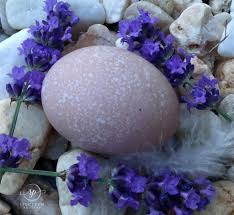
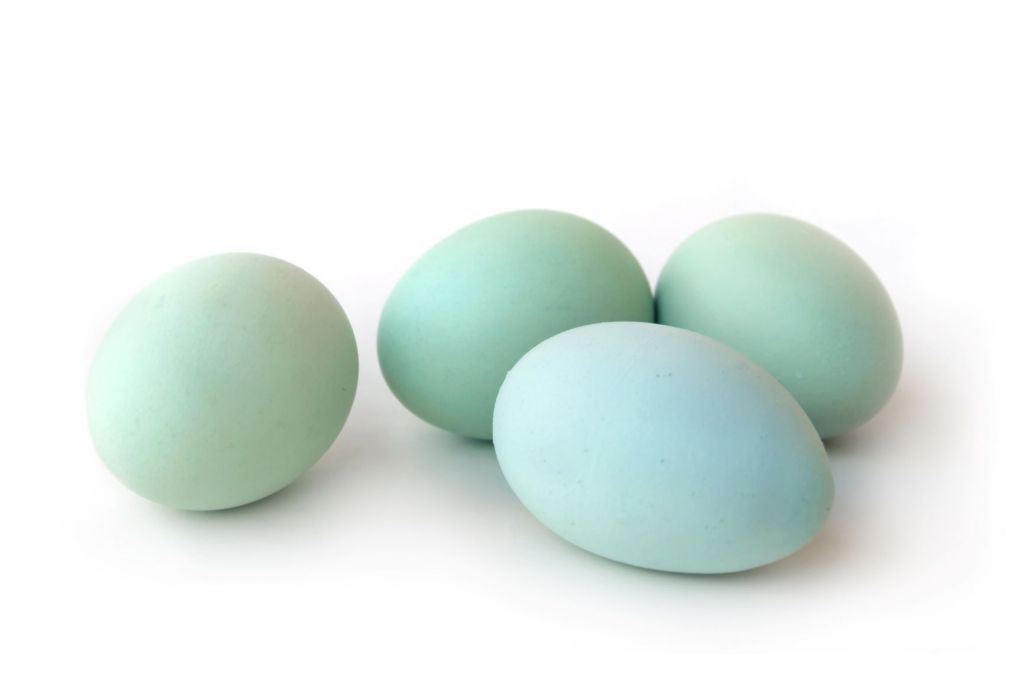
Speaking of the Araucana, this is a relatively small large fowl chicken that lay’s its famous blue egg. The blue is also on the inside of the shell too! The true Araucana, as far as I am reliably informed, is the Rumpless Araucana – she has no tail and has the feathered « ears » (tufts) coming off the sides of her face.
Another quirky breed is the Croad Langshan which is well known for its purple eggs.
There is even a breed of chicken that is totally black from head to toe – including the comb, wattles and skin. Comment on this post if you know the breed! Bonus points if you own one and can send me a photo to share!!
Can you mix the different sizes?
In theory, yes, but with great care. A docile large fowl chicken like the Brahma will easily mix with a bantam. Having only kept a few breeds, I strongly suspect there are some out there which would not mix. It depends on how the introductions are done and the individual’s nature.
Also bear in mind the equipment you have. For example, an automatic feeder can be set to require a certain weight on it to open the trap – but a tiny 600g chicken might not be able to manage.
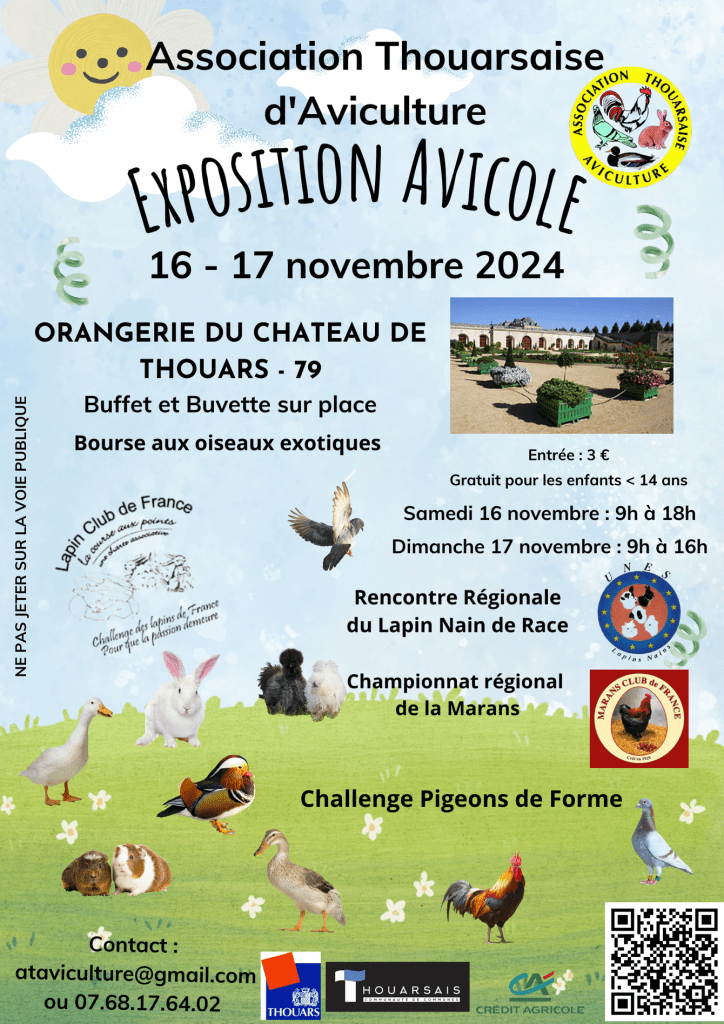
To finish off this short article, I have the pleasure of announcing that I will be present at some local shows this year for my research. I would love to catch up over a coffee and talk chickens to anyone who is of a like mind. So if you’re in the Nouvelle Aquitaine area, perhaps we can cross paths!
En savoir plus sur Maman Poule
Abonnez-vous pour recevoir les derniers articles par e-mail.
 Maman Poule