The initial reason for wanting to keep chickens for the majority of us is surely for fresh eggs. As an exciting part of keeping pet chickens, the daily ritual of egg collection still excites me! (I know I’m not alone here!!). After all, not all our pets produce something edible :)
Eggs come in all shapes and sizes but are generally oval. There are deviations from this, from bumpy shells to no shells at all. Some eggs weigh in at over 100g whilst others barely register on the kitchen scales at all.
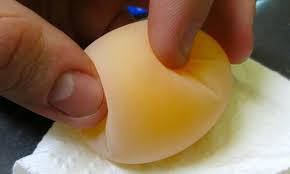
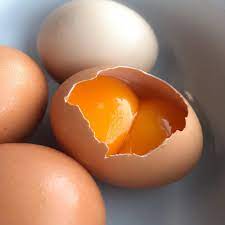
Here are some examples and potential causes for these oddities :
| Oddity | Cause/reason |
|---|---|
| XXL/double yolk eggs (+100g) | Usually laid by pullets just coming into lay. The egg passes down through the oviduct and instead of next having the shell added, it travels back up to have a second egg yolk added. The double-yolker then continues its journey down through the pullet’s reproductive system, having the shell added before being laid. These eggs are great soft-boiled! |
| Soft shelled eggs | An old wives’ tale says it is caused when the pullet or hen gets particularly wet in the rain – however this is untrue. Soft-shelled eggs are usually caused by a lack of calcium (which forms the shell) and other vital nutrients such as selenium and various vitamins. Another cause can be saline water. Look at their feed and adjust accordingly. |
| Warty/knobbly shell | These warty additions to the shell are simply excess calcium deposits and nothing to worry about. |
| Wrinkled egg shell | I was always led to believe that this was caused by fat chickens! This can be explained by fat deposits surrounding the oviduct. Upon further research, it can also be caused by heat stress, poor overall nutrition, bronchitis or a defective shell gland. Older hens are also indicated to be a suspect. |
| Shell-less eggs | An egg with no shell at all, just the shell membrane, caused by a lack of calcium, phosphorous, manganese or vitamin D3. This can also be caused by an immature shell gland or avian influenza. |
| Spotty eggs (white spots) | The spots are calcium deposits potentially caused by a defective shell gland, disturbances during calcification or even excess calcium in their diet. |
| Tiny egg | A fairy egg with no yolk, just egg white, occurs when the egg white (albumen) beings forming before the yolk is released during ovulation. A calcium deficiency could contribute to this. These eggs are edible. |
| Wind egg | An egg with no yolk, laid by a pullet coming into lay as her reproductive system is warming up, or an older hen when her reproductive tissue breaks away. The broken tissue is treated like a yolk and wrapped in albumen, membranes and shell. These eggs are edible. |
Now we have looked at what can go wrong with your hens’ eggs, lets look at the fun part – different colours!
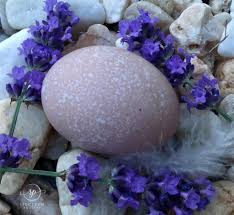
- The purple egg is from Croad Langshan, an English breed.
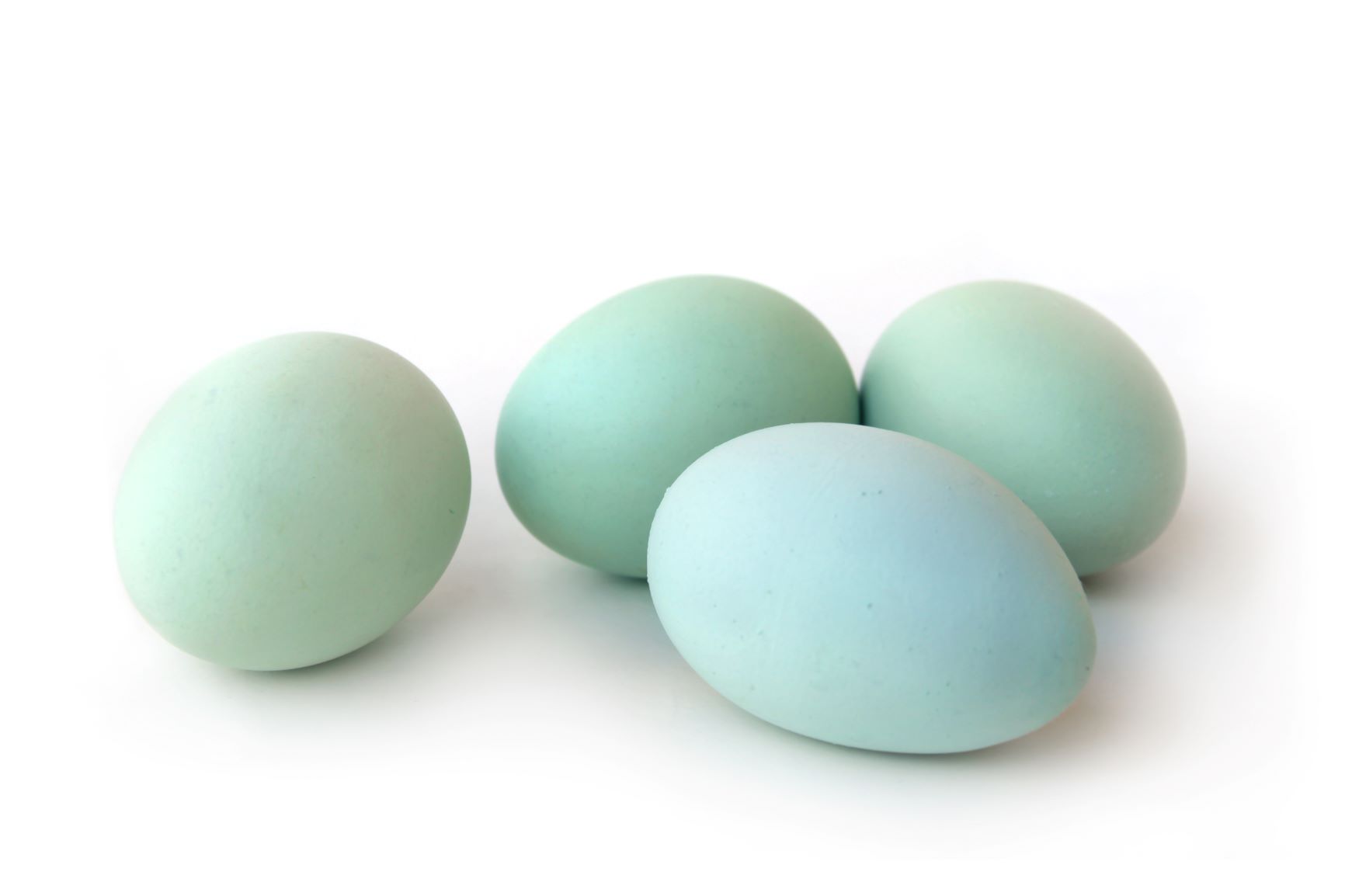
- The blue or turquoise eggs are from an Araucana or a crossbreed (the Araucana originates from Chilli in South America). It is interesting to note that the blue colour is dominante – which means that it is always the last colour to be overlaid the previous colours before being laid. This is where the « olive eggers » come from, which is a cross from a chocolate brown egg layer such as the Marans, crossed with the Araucana, Ameraucana, or a crossbreed such as the Cream Legbar!
- Chocolate brown eggs laid by a Marans.

Calcium
As you may have noticed, a lack of calcium can cause many of the above symptoms. Calcium carbonate must be broken down into its components (calcium + carbonate) in the hen’s intenstine before the calcium is absorbed into the blood.
Below is a list of easily accessible sources of calcium to boost your chickens’ intake:
- Crushed egg-shell (free!)
- Oyster shell
- Crushed limestone (chicken grit contains it too)
Once you have provided extra calcium, you should see results within a day or two.
Vitamin D3
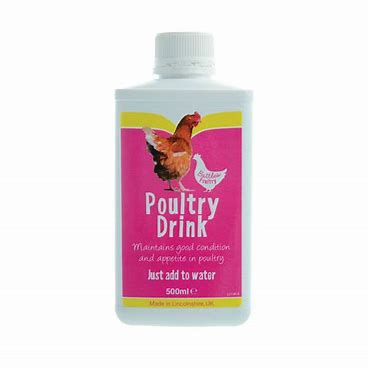
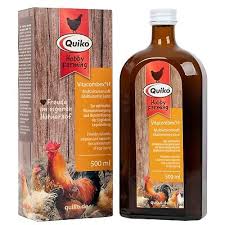
This vitamin is totally free as its provided by unfiltered sunlight. Clearly an issue during the Winter months, you can give you hens a boost with a supplement in their drinking water or feed. Alternatively bananas are a good choice too.
Bananas are also a great source of vitamin D.
Manganese
Poultry Zest is a great all-round supplement that I use for my flock. Poultry Zest is enriched with Tumeric, Ginger Root, Fenugreek, Aniseed and with added Sunflower Oil.
You can continue to eat the eggs laid during treatment too!

En savoir plus sur Maman Poule
Abonnez-vous pour recevoir les derniers articles par e-mail.
 Maman Poule