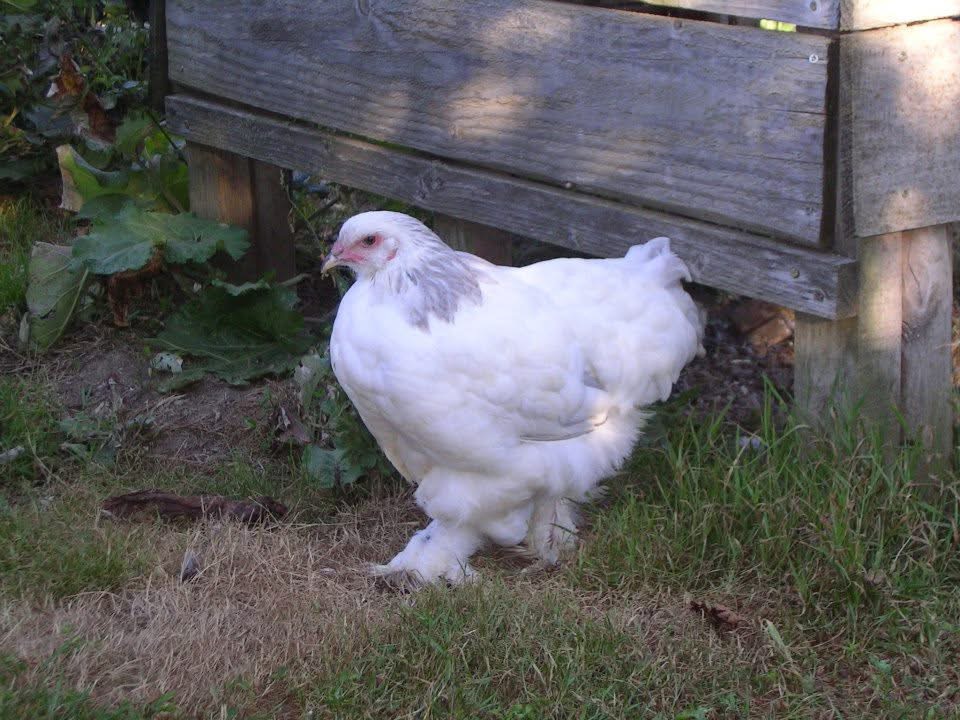
A few years ago I had a beautiful collection of different colours of Brahma: I was lucky enough to have obtained some hatching eggs from the UK for colours that were harder to come by in France at the time. Amongst my favourites as a Lemon Splash and a stunning Columbian Blue Light that I had found from a French breeder only a couple of hours away by car.
I was so thrilled to have six Brahmas as my pet flock, each one of them a different colour.
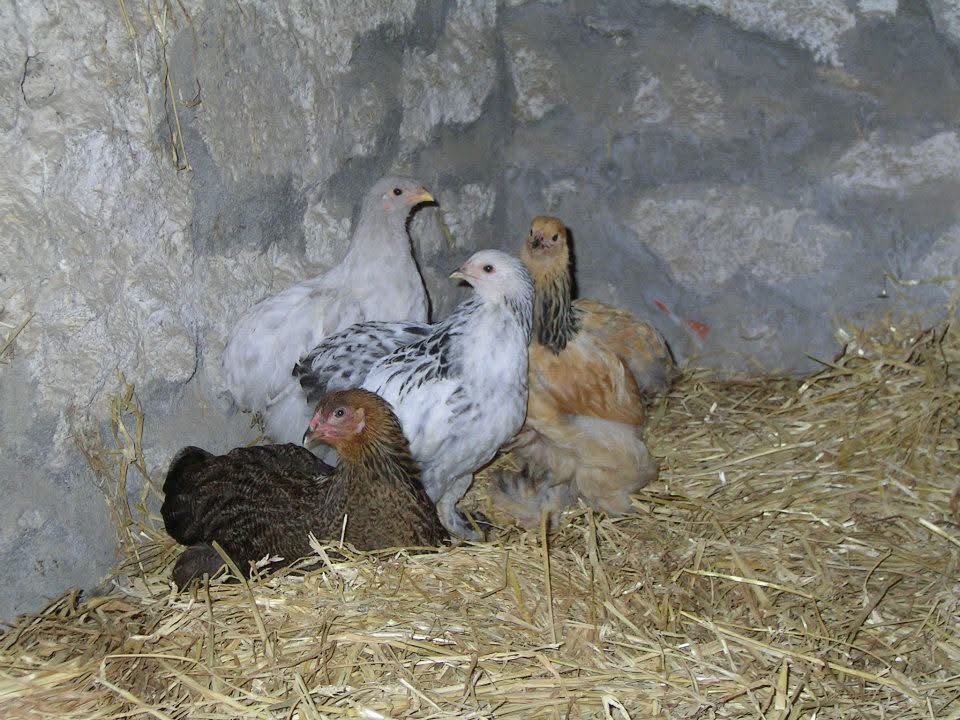
A few weeks later the Columbian Blue Light, who I had bought at about 5 months old, was still not putting on any weight and her condition was degrading. By comparison the other pullets were doing very well, eating me out of house and home like young pullets do!
I sought help from friends in the poultry world to no avail. Her symptoms were not eating, listlessness, no longer perching (I assumed from lack of energy) and generally not doing much of anything. As the days went by she steadily got worse.
One morning I decided to isolate her from the rest of the flock so I could monitor her more closely, with regards to food intake, how much water she drank and whatever might come out of the other end. As it turns out, she ate a tiny handful of grain and wasn’t even interested in the special treats on offer such as tuna, crushed hard boiled eggs or pasta. She was very thin too. For a large fowl Brahma of her age, she should have weighed at least 3 kgs, but she barely weighed 500g. She was skin and bone.
I took her to the vets, which perhaps I should have done sooner. I was advised to make sure he was aware that I wanted to save her, as he was used to killing the birds in front of the client to analyse what was wrong! I little counter productive for a pet chicken but I can understand the need for this for professional chicken keepers if they have a large flock of several hundred birds to care for.
He wasn’t much help unfortunately, mainly because she was too ill to really carry out any tests. I went home with my poorly chicken feeling sad and disappointed in myself.
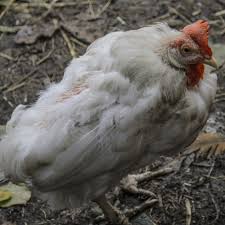
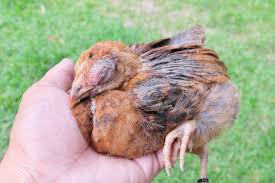
Sadly the next morning I found her rigid in the hospital wing I had set up.
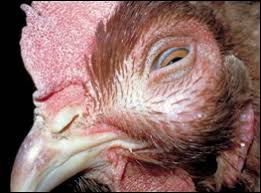
It is only recently after starting this blog that I discover that it was likely an upper respiratory tract disease called Coryza. Her symptoms fit the list of symptoms for this horrid disease, which according to my research usually predominantly affects pullets and hens. It can also affect broiler on occasion.
She didn’t have all the symptoms of the list below, but certainly most of them:
- Reduced activity
- Anorexia
- Runny nose
- Swollen face
- Diarrhea
- Lacrimation (runny eyes)
- Not eating or drinking
- Delayed developpement in pullets
- Reduced egg production in laying birds
Is there any hope?
So what should I have done differently to help her? Is this disease even curable?
The answer is yes, with the help of antibiotics such as oxytetracyclin or erythromycin. Medication via the drinking water is advised, but check with your vet when you obtain the antibiotics
Early treatment would likely have saved her, so its very important to remain vigilent over your flock, whether you have 2 or 200 birds.
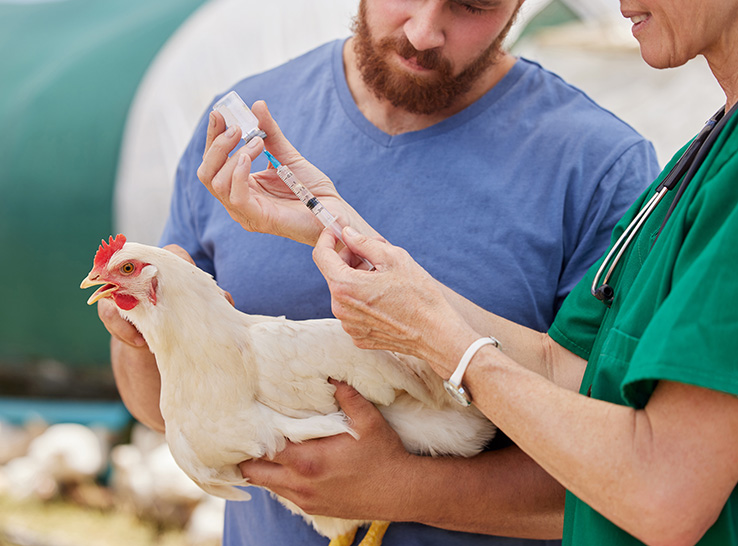
The good news is that a vaccination that can be given between 10 and 20 weeks of age with a 4 week interval between injections.
If the pullet or hen is still in lay, Google also indicates that it is safe to continue to eat the eggs. I leave it to you to decide, although would advise against eating the eggs if the pullet or hen is on antibiotics – once again, please consult your vet.
In cockerels, Google indicates that Coryza can go away on its own within 10-14 days. However a secondary infection can occur that can take months to recover from.
The forums on the internet are full of useful information on this disease, with real-life experiences which are great to refer to.
The majority of us are not vets, myself included, so we can only share from our own experiences with treatments that did or did not work.
Quite often the poultry community pulls together to help each other, and this is one reason why I love keeping chickens. We are never really alone, although sometimes it might feel like it. We are all equally chicken crazy, drinking from our favourite mug with a chicken on it, or an ornament or three dotted around the house. I have been known to decorate the chicken run and hen house with tinsel at Christmas time! Please tell me I am not alone?!!

En savoir plus sur Maman Poule
Abonnez-vous pour recevoir les derniers articles par e-mail.
 Maman Poule