First and foremost, we are all painfully aware that chickens are prey and as such, there is no guarantee that they will be in the henhouse or chicken run tomorrow. Most of us are used to keeping dogs or cats, which are predators…we are therefore perhaps unused to the idea that they will be eaten by another animal (dogs more so than cats, I dare say – remember the Tom & Jerry cartoons?!).

This is the circle of life and cannot be avoided – it is a conscious choice to keep prey animals too, as this also includes cows and sheep, goats and guinea pigs. These other animals we worry less about as either due to their size or the way they are kept, the risk is minimal. The chicken (or duck) far less so. It is our responsability to provide the safest environment for our poultry possible. Whether finances prevent constructing the safest run in the world, or space limits us to what can be done, we all do what we can in our own way.
Technology helps us a little with this, but only in the form of an alarm system to warn us of imminent danger.

There are many predators for poultry, but the good news is that some are less of a danger than others. For example, it would be very unlikely that your average neighbourhood cat would take a full grown Orpington or even a smaller large fowl bird. However bantams may be at risk, and certainly young chicks out for the first time with their mum.
In this article we will look at the sadly common attacks made by Pine Martens.
Understanding the Pine Marten
These beautiful creatures are members of the Mustelid family, the same as the Stoat, Weasel, Polecat and Mink. They are very agile and live mainly in the trees.
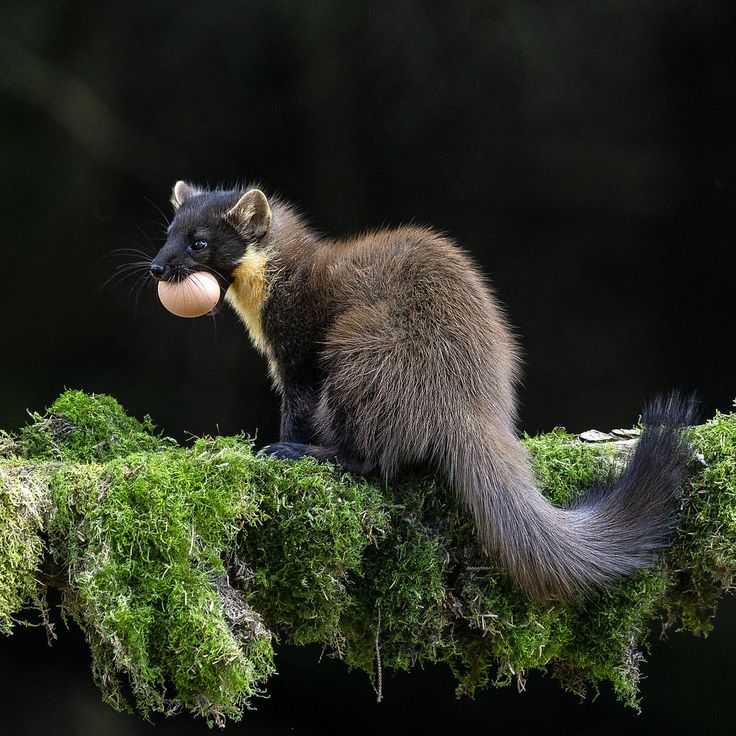
The Pine Marten is very similar to the Stone Marten and after further research, it is mainly their habitat that decides whether they are a Pine Marten or a Stone Marten. The colour of their pelt also indicates their habitat: the Pine Marten has a darker patch on its throat than its opposite number the Stone Marten, which is approximately the size of a cat with short legs and a narrow head.
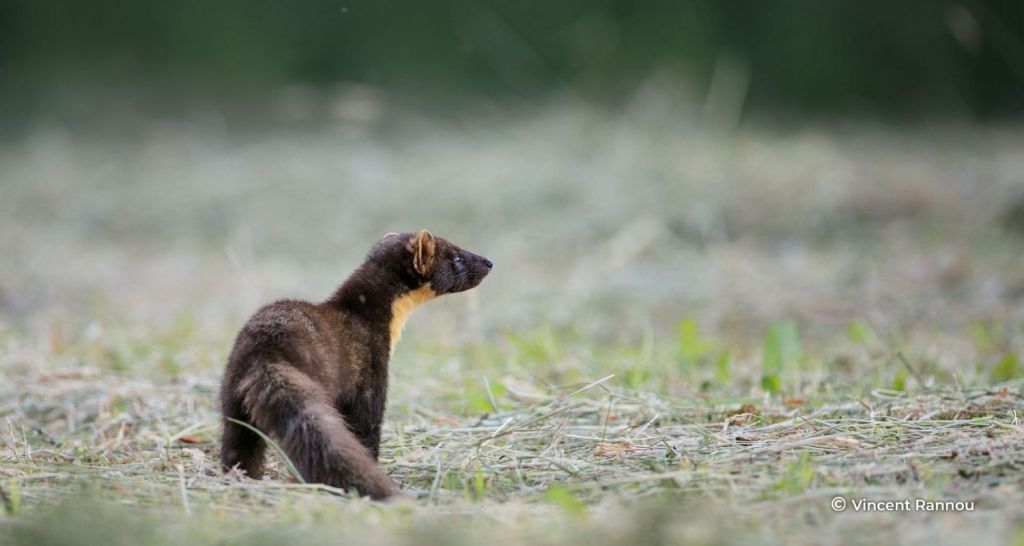
They are both omnivores although the Pine Marten usually has a different diet regime to the Stone Marten – in the summer they feed on voles, birds, frogs and beetles. In late summer they have more fruit and nuts which they will sometimes store. In winter its mainly small mammals and any grain or seed available.
They are mainly noctural they will venture out during daylight hours, particularly at dawn or dusk. They can venture up to 25km2. They spend a lot of time in the trees as they are very agile – they also leap long distances, often from one tree to another.
Attacks on chickens
Sadly, as many people, I have experienced the carnage that follows from a Pine Marten attack.
One year I had a particularly good result from hatching eggs and had around 60 growers living outside at the time. They we around 16 weeks old so and had shelter and a good solid pen with a high fence (about 2m) made from chicken wire.
At the time, foxes were not present in the area as the local hunt did a good job of keeping them under control – an upside of living near livestock farms.

Our garden has over 60 trees, some of which are close to and in the chicken pens, providing much-needed protection from the hot sun and the rain, then in the autumn dead leaves to dig in to find tastey morsels.
When constructing the pens I did not take into account the local wildlife, which was new to me having not long moved to France. The bottom part of the pens touch the ground, but it is only wire so is easily moved. Not nearly enough to protect against foxes.
The poor flock of growers, spaced out over two large enclosures, had a terrible night one early autumn. Before going to work in the morning, I went out as usual to open the hen houses, put fresh feed down, collect eggs and clean the houses out. To my dismay, I found 90% of the growers very much dead. Most were decapitated and shredded to pieces, with wings up one end of the garden and legs in the other direction. I never found all the body parts. One pullet I found with her head stuck under the fence, her body too large to pass. She had suffered a terrible fate, with her head partially detached as well.
I was so distraught that I didn’t look for any further marks on the bodies, disposing of them immediately so as to avoid further invitation from other predators.
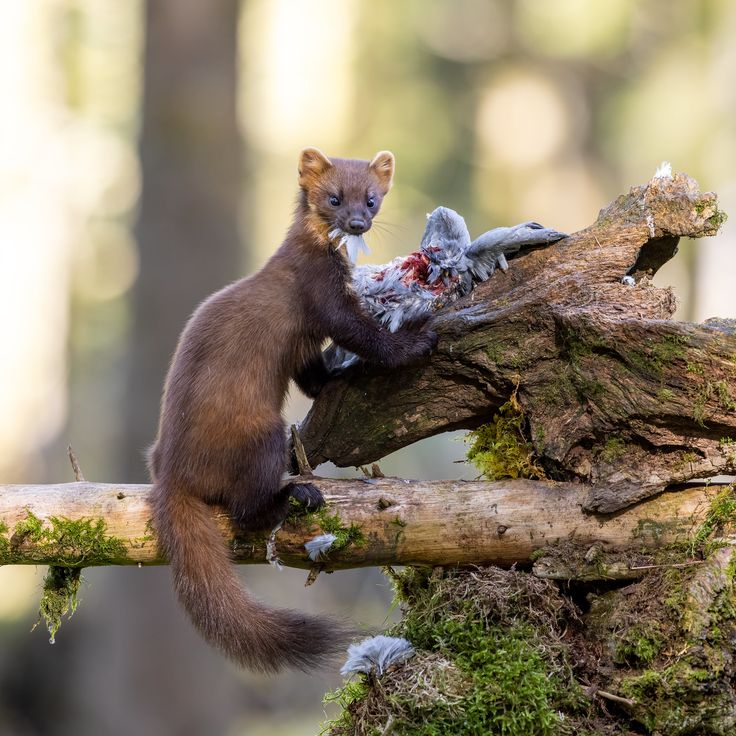
I mention the corpses in this way as not all predators have the same hallmark attack – some simply leave feathers everywhere and take the body for future consumption. Others kill with no intention of ever eating their victim. It is typical of a Marten attack, to find heads removed (and missing) and extremities pulled off. After researching the way the chickens were mauled, I discovered it was a Pine Marten. This was confirmed a few days later when our dogs caught and killed one in our garden (we have around half a hectare of land, so it had plenty of space to move about and call home). The Pine Marten was indeed the same size as our European Tabby cat, well equipped with sharp teeth and claws.
The rest of the flock carried on as normal. All I could do was to invest in a trap in case of other predators lurking about and inform the local hunt. My budget didn’t allow for improving the fencing.
These predators are the main reason, along with redmite, that I am currently taking a break from keeping poultry. The heartache of losing ones flock in such a way is too much.
Future chicken runs
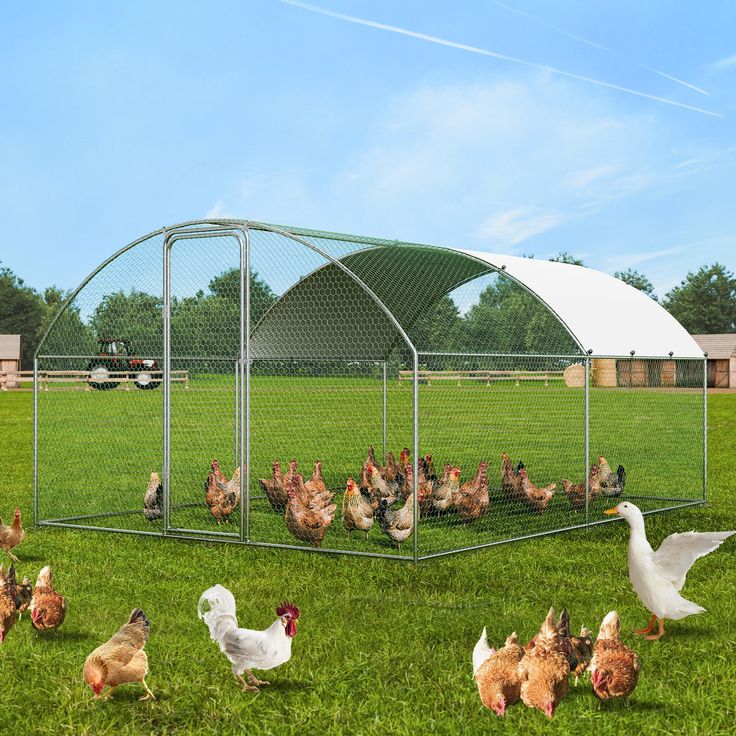
I am researching the best solutions out there so that a compromise can be made, where the chickens have plenty of space in the large garden, whilst being safe to roam. The only solution I have yet to come up with is a fully enclosed strong wire cage on wheels. Wire overhead seems to be vital, especially to stop the Martens from climbing over the top. The added bonus is that some birds won’t be able to get in so unless redmite are in the surrounding trees, redmite infestations should be much reduced. Watch this space…
Please, if you have any other suggestions, do share them in the comments here or contact me directly! We can share this information to help prevent such attacks in the future.
En savoir plus sur Maman Poule
Abonnez-vous pour recevoir les derniers articles par e-mail.
 Maman Poule