An interesting topic this week, is it not?!
It is widely believed that keeping chickens is a great way of saving money, or rather, spending less on food. But is this really true or simply a myth in the modern world? I believe it all depends on where you live and your primary reason for keeping hens!
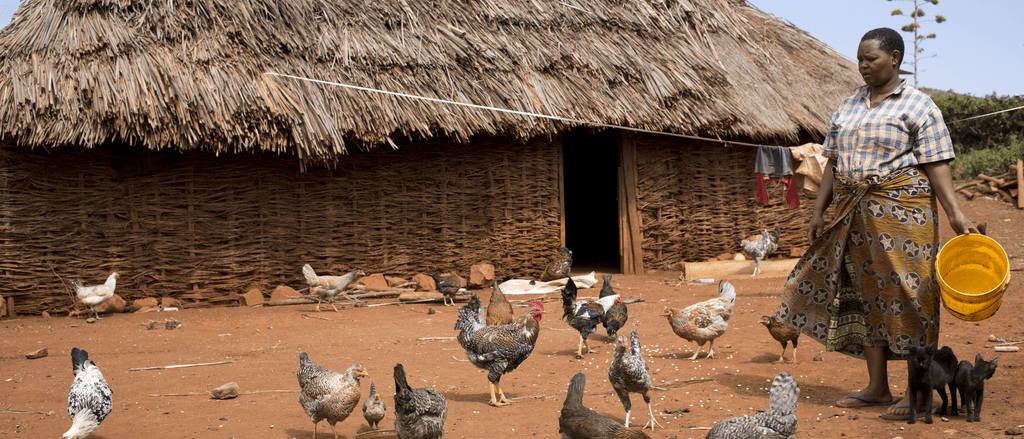
Third world countries of course, will likely keep chickens solely as a source of food – for eggs and meat. We often see images of healthy chickens running around with chicks in the streets eating any scraps they find. One would imagine that these chickens cost nothing to keep at all. That doesn’t mean that these chickens aren’t loved by their owners – they are viewed from a slightly different angle, driven by necessity.
In Europe, and certainly in France and England (two countries I feel most comfortable about commenting on), we keep chickens for two main reasons: food and pleasure. But which comes first? I am not so certain this is an easy question to answer!
This sense of pride easily leads to expenses, such as the best henhouse money can buy or multiple « spare » houses for times when birds are ill or need separating. Other expenses may include the vets. Some would say that we owe it to our birds to do our best for them – I totally agree. Others say, its just a chicken, its not worth spending 200€ for this surgery or that medication.

It all comes down to a point of view and ultimately the real reason for keeping the birds. The same as with our other pets, we all do our best by our birds – we provide what we can. So the money spent on them varies greatly, depending on how they are kept and our own personal situation.
A case study – the cost of keeping 6 hybrid hens for a month
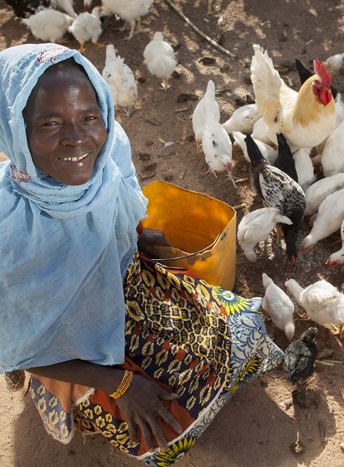
This is a simplified version of keeping 6 hens well fed and clean, living in wooden henhouse in the garden with a large enclosure of 600m2 where no extra feed is needed. The hemp bedding is only for the floor and nest boxes in the henhouse itself. A small bag will last around 2 months, with cleaning out on a daily basis.
- Feed (layers pellets) 900g per day x 30 days = 30€
- Mixed grain (as an afternoon treat) x 1 bag = 5€
- Hemp bedding x 15L (half a bag) = 8€
Total cost 43€ per month
In return, these hens will lay on average 6 days a week, producing around 144 eggs in a month. Supermarket value 3€ per dozen x 12 dozen = 36€.
The balance at the end of the month= 43€ – 36€ = 7€.
A fair cost for a lot of pleasure and enjoyment! This is assuming you sold all the eggs – which you wouldn’t! But it is 36€ off your shopping list for making your favourite egg-based recipes. But what to do with all those eggs? I feel another topic looming on the horizon!
What’s more, if you make your own feed, you can economise even further.
Be aware that this will change if disaster should arise in the form of redmite or injury. It is always wise to have a plan of action ready should the need arise.
Rearing chickens for shows – the cost
I never sat down and worked out the cost of hatching and rearing my birds for the shows – the thought of working out the cost of electricity on the incubator or the heat pad is a little daunting! I did this for a passion not for money, and I suspect that if I was lucky and didn’t have too many cockerels, I may have just broken even.
Rearing a few chickens for show, or in my case up to 80 one year in a moment of madness (!) is a lot of fun. It is also very expensive! I remember very well buying at least 100kg of feed at a time, the weight of it in the boot of my car making the suspension groan! Then storing it safely until use, keeping the rats at bay and so on. The hatch rate that year was an astounding 96%!
Vaccination against Newcastle’s disease I think wasn’t a great cost, coming in at around a few Euros.
Selling prized pullets at 35€ each is a drop in the ocean. Taking the loss on the cockerels that don’t sell (which is usually most of them) and fattening them up for the table is the only thing left to do. The smell from the oven quickly overcomes the hint of sadness, safe with the knowledge that they had a good life and didn’t go off their legs like so many chickens reared and culled at 16 weeks’ old for the supermarket.
As a site note, I would like to point out that whilst I did take them to the abattoir, I made sure I watched the first time to ensure their end was humane. I felt very strongly that I owed it to them.
Time
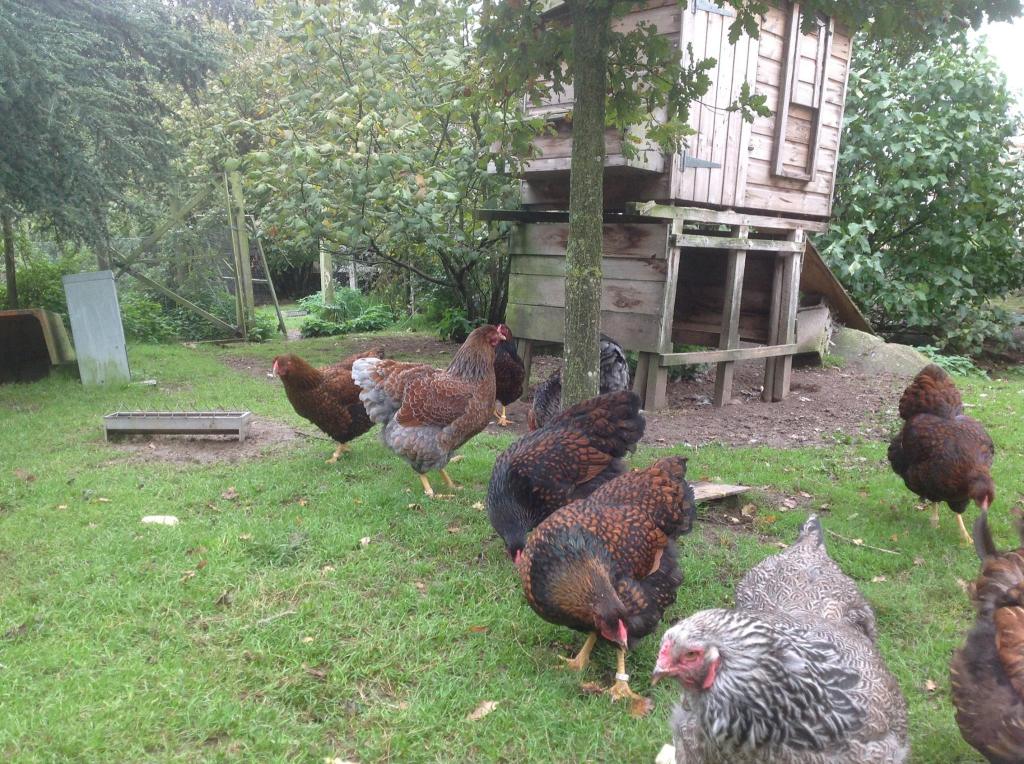
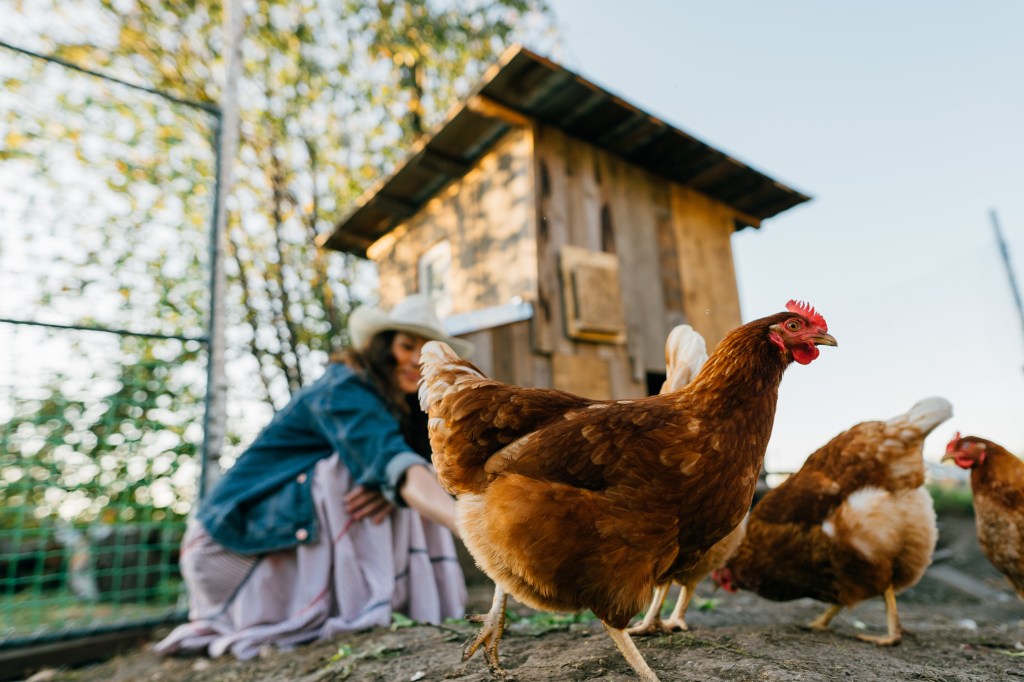
Another way of measuring cost is time. My other half said they very much felt like the relationship between us was a little one sided at times – I would spend more time with my chickens than in the house! In my defense, there was always something to do – keeping the grass down in the pens, repairing holes in the fence, cleaning the drinkers or simply enjoying watching them go about their daily business.
If its time you have to spare, chickens are truly brilliant at spending it for you!
En savoir plus sur Maman Poule
Abonnez-vous pour recevoir les derniers articles par e-mail.
 Maman Poule