Vent gleet: not the most pleasant of phrases or conditions for our poor hens. If you’ve noticed a sticky, yellow-white paste around one of your hen’s vents instead of her usual beautiful fluffy bloomers, she may well be suffering from vent gleet.
It’s also likely her coop mates will be giving her a wide berth too as the smell is quite unpleasant – we did warn you!
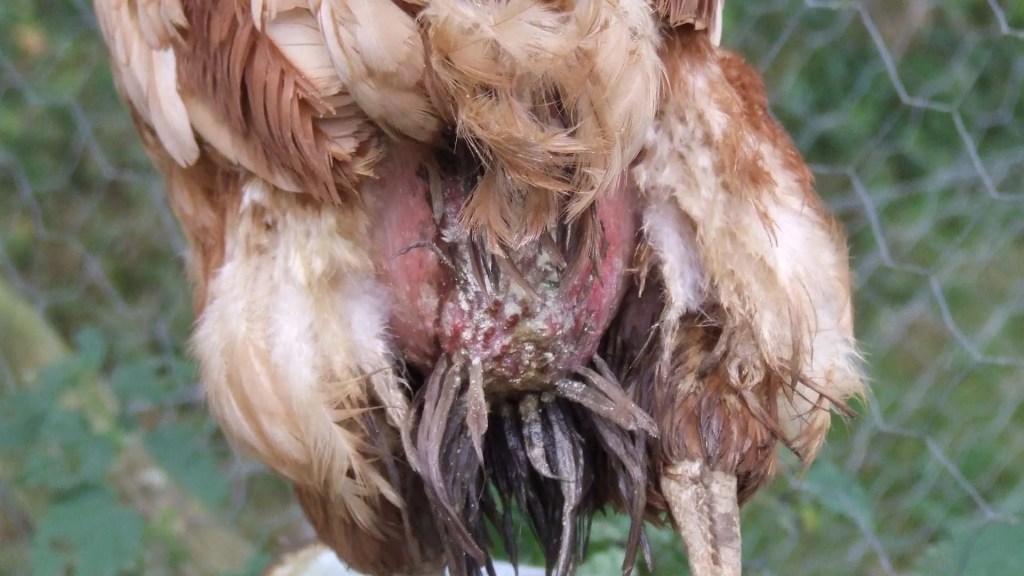
Vent gleet is essentially an inflammation of the cloaca, another name for a hen’s vent. It presents similarly to thrush and is caused by Candida Albicans, though it can also be linked to the herpes virus.
A hen that has been living in a cage with no cockerel is not likely to have vent gleet caused by a Herpes virus. A vet will always treat it as a yeast infection unless you have a cockerel with your hens.
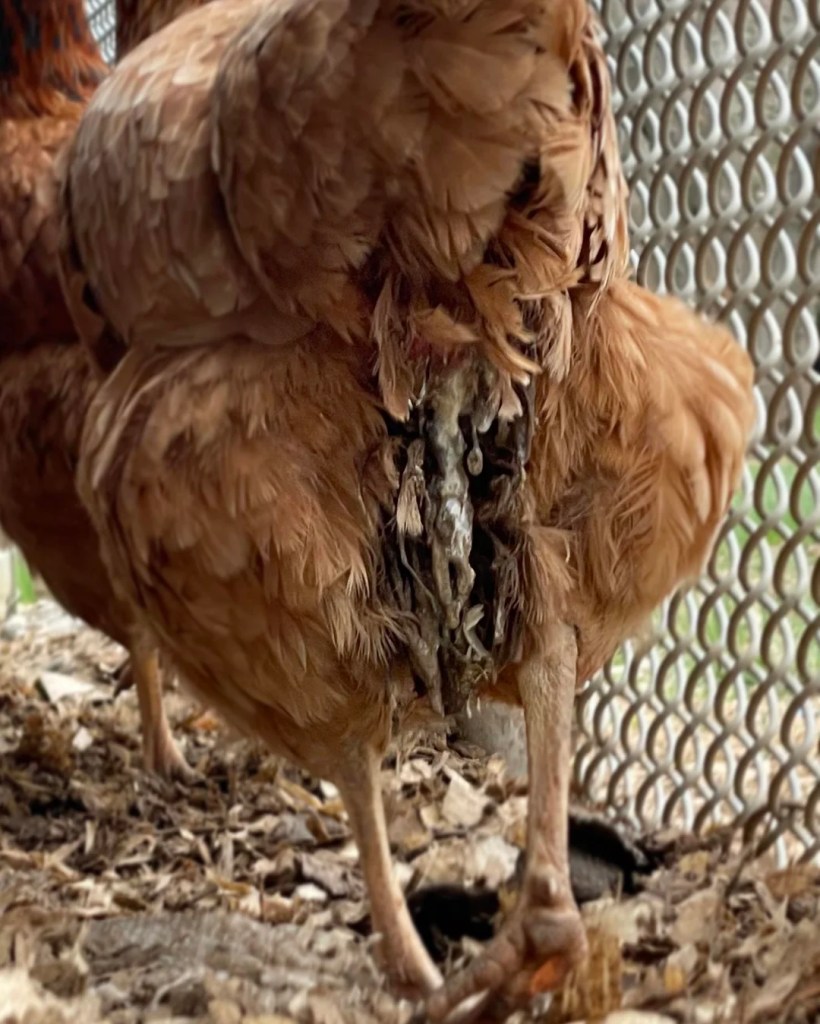
Signs of vent gleet
As mentioned, there are some quite distinctive symptoms including the sticky paste around your hen’s vent, but there are some other things to look out for too:
- Crusting on your hen’s tail feathers
- An unpleasant smell
- Reduction in eggs
- Watery, loose droppings
Please be aware that some of the above symptoms can be an indication of other illnesses, so if in doubt please your vet.
Thankfully, if your hen is suffering from vent gleet, there are some steps you can take to alleviate her symptoms and make her more comfortable.
How to treat vent gleet at home:
- Pop your hen gently into the water and allow her to soak her bottom – she may be a little unsure at first, but once she gets used to it, she should enjoy it and may even nod off!
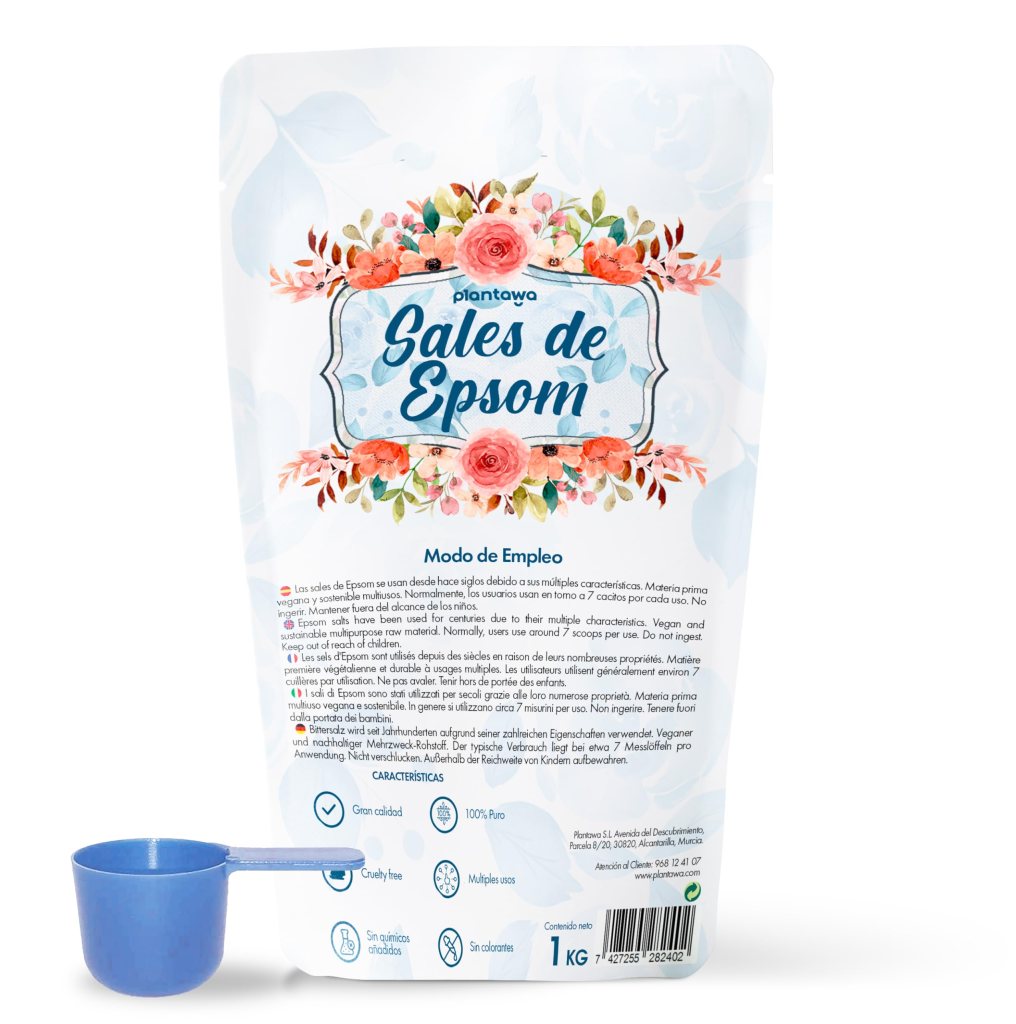
- Fill a bowl half full of comfortably hot water and add two tablespoons of Epsom salts.

- Lift her out and pat her dry with an old towel.
- Apply Canesten cream around the vent area and just inside the entrance to the vent.
- Add apple cider vinegar to her drinking water and provide a probiotic daily (make sure you do not use a metal drinker when adding apple cider vinegar).
- Repeat the above steps every two days, including reapplication of the Canesten, until the vent gleet has cleared up.
If you do not see an improvement in the first week and you keep a cockerel with your hen you will need to have the hen tested for herpes virus.
Unfortunately, there is no sure-fire way of preventing vent gleet from recurring, so keep a close eye on your hens.
En savoir plus sur Maman Poule
Abonnez-vous pour recevoir les derniers articles par e-mail.
 Maman Poule