What is Coccidiosis?
Coccidiosis is a protozoal disease causing diarrhoea, weight loss and decreased production in poultry. It can be fatal. Prevention is key and is achieved with use of anticoccidials or vaccination.
Coccidiosis mainly affects chicks and growers up to 5/6 months of age.
What causes Coccidiosis?
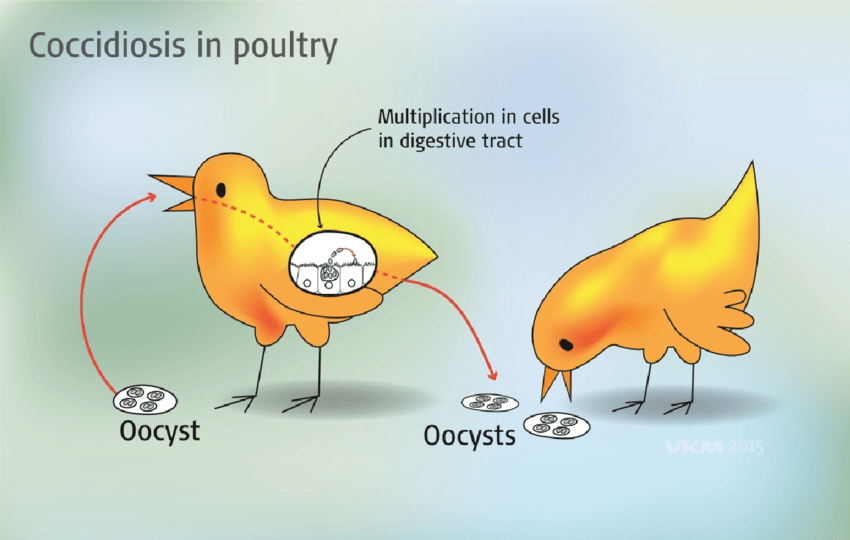
Coccidiosis is caused by protozoa of the phylum Apicomplexa, family Eimeriidae. Most species affecting poultry belong to the genus Eimeria and infect various intestinal sites. The disease course is rapid (4–7 days) and is characterized by parasite replication in host cells with extensive damage to intestinal mucosa.
Coccidiosis is a common, and sometimes deadly, parasitic disease that affects chicken and poultry through ingestion. The parasites enter a chicken’s system when chickens eat food or drink water that has been contaminated with infected soil or faeces from other infected birds.
Coccidiosis Symptoms
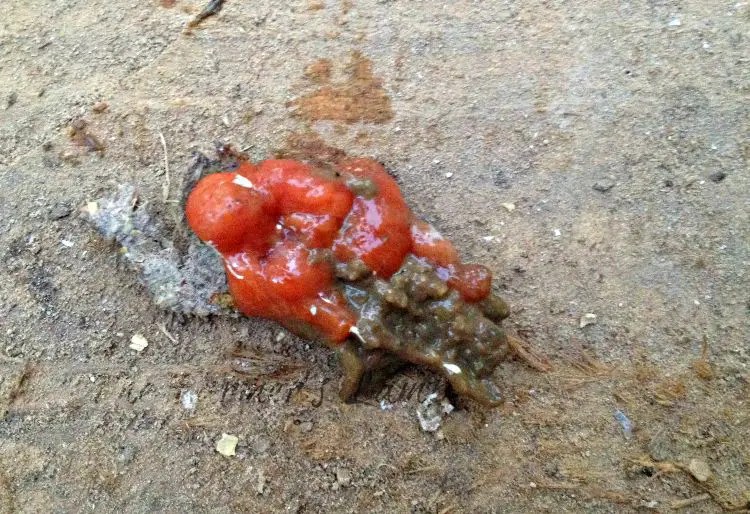
- Bloody, greenish diarrhoea
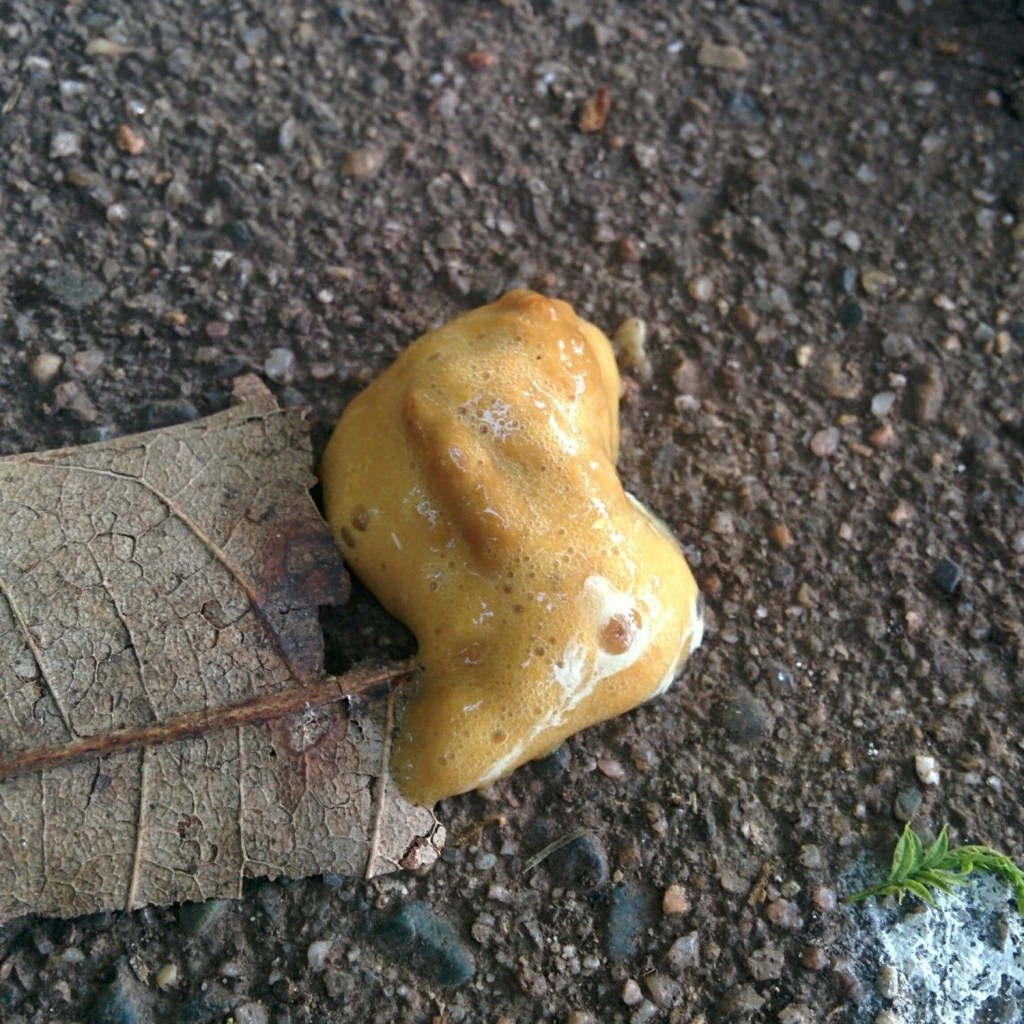
- Yellowish, foamy poo with severe infections
- Lethargic, dozy chickens
- Looking dishevelled with feathers fluffed up or ruffled
- Rapid weight loss
- Loss of appetite
- Drinking less
- Withdrawn from the flock
Can chick recover from coccidiosis?
Birds that survivor severe infections typically recover in 10–14 days but may never recover full growth and production. The lesions are almost entirely in the intestinal tract and often have a distinctive location and appearance that is useful in diagnosis.
Is chicken coccidiosis contagious to humans?
Coccidiosis is a ubiquitous parasitic problem for most mammalian species. Birds as we now know are no exception. However, while there are species of coccidia that can infect people the species of Coccidia that infect chickens are not able to infect people.
How long does coccidia live in soil?
Coccidia can survive in the environment for several weeks to several months, depending on the conditions. Factors that affect the survival of coccidia in the environment include temperature, humidity, and the presence of other microorganisms.
What is the home remedy for coccidiosis in poultry?
Several articles and opinions exist on how to treat chickens with coccidiosis naturally. Many people recommend apple cider vinegar, garlic, oregano, and other herbs and oils. No concrete proof is available to scientifically prove that these treatments are successful.
What naturally kills coccidia?
It’s impossible to eradicate the coccidia parasite, especially when you can’t see it. But freezing temperatures, drought, sunlight and ammonia will kill it. Coccidia multiply best in warm, wet, dirty, overcrowded conditions so eliminate these conditions whenever possible.
Can you save a chicken with coccidiosis?
Coccidiosis is a self-limiting disease. That means that infected chickens can recover within a few weeks with or without treatment. For severe cases of coccidiosis, infected chickens will need to be treated in order to make a full recovery.
Treatment
- The most popular treatment for coccidiosis is Amprolium provided by your vet, which blocks the parasite’s ability to uptake and multiply. Treatment is usually administered by adding Amprolium to the chickens’ water supply, however in some cases, where sick chickens aren’t eating or drinking enough, the medication is given orally.
- An often used medication, and advised by Vets, is Coxoid*. It is a liquid added to their drinking water for seven days, the egg withdrawal period may be up to 28 days or as advised.
Should I vaccinate my chickens for coccidiosis?
The only effective coccidiosis control method is to develop immunity, either through step-down anticoccidial programs that allow natural exposure to the Eimeria parasites or by vaccination with a complete breeder or layer coccidiosis vaccine.
Cleaning up
Cleaning their house, their run area, and all utensils regularly with a disinfectant like Nettex Virocur will help eliminate parasites. Virocur is a DEFRA approved for Poultry Diseases, however, DEFRA does not have an approved list of disinfectants for killing coccidia although there are some available.
For the ground we recommend Stalosan F Powder or Net-tex Ground Sanitising Powder which dries up the area where they live and prevents the dampness that oocysts thrive in. Regular use of a sanitising powder will prevent any further infections. Parasites can live in empty houses, and the ground, for several months.

En savoir plus sur Maman Poule
Abonnez-vous pour recevoir les derniers articles par e-mail.
 Maman Poule