If you’re raising backyard chickens, you already know how important high-quality feed is for their health and egg production. However, improper storage can lead to mould, pests, and nutrient loss, ultimately affecting your flock’s well-being. In this guide, we’ll explore the best practices for storing chicken feed to maintain its freshness and nutritional value.
Why Proper Storage Matters
Chicken feed contains a mix of grains, vitamins, and minerals, all of which can degrade over time if not stored correctly. Exposure to moisture, heat, and pests can lead to contamination, mould growth, and reduced feed quality. By implementing proper storage techniques, you ensure that your chickens receive the best possible nutrition, leading to healthier birds and better egg production.
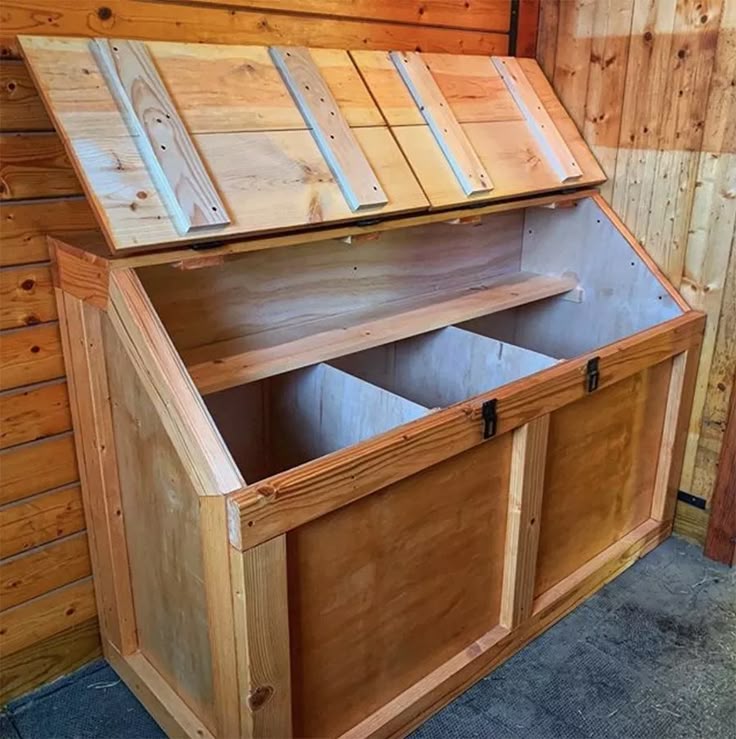
Best Practices for Storing Chicken Feed
1. Choose the Right Storage Container
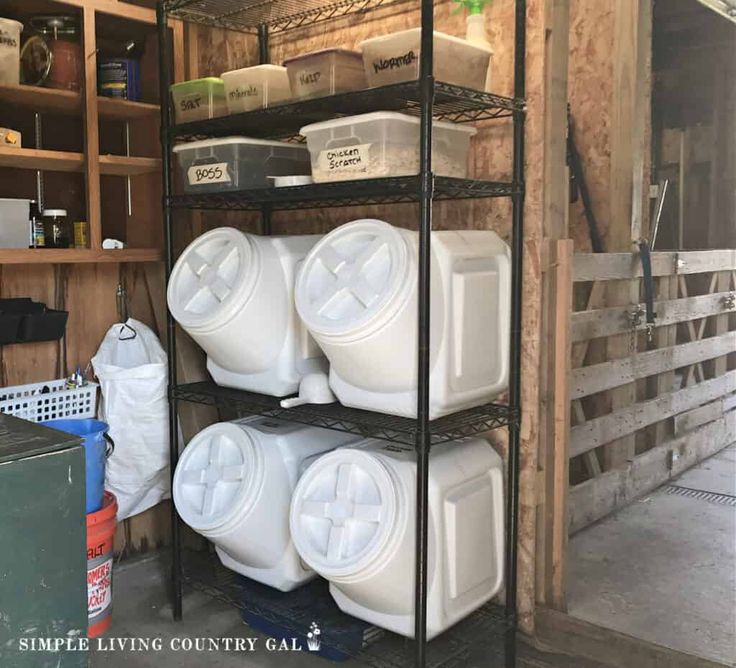
Using airtight, durable containers is key to keeping feed fresh. The best options include:
- Metal bins with tight-fitting lids – Prevent rodents and pests from accessing the feed.
- Heavy-duty plastic bins – Provide an airtight seal to keep moisture out.
- Food-grade buckets with gamma lids – Offer easy access while maintaining freshness.
2. Keep Feed in a Cool, Dry Place
Heat and humidity can quickly degrade feed, leading to mould and spoilage. Store your feed:
- Indoors if possible – A garage, shed, or covered feed room is ideal.
- Off the ground – Use pallets or shelves to prevent moisture absorption.
- Away from direct sunlight – UV rays can break down essential nutrients.
3. Protect Against Pests
Rodents and insects are notorious for invading chicken feed. To prevent infestations:
- Use metal or thick plastic containers – Rodents can chew through thin plastic or paper bags.
- Secure lids tightly – Avoid leaving any gaps for pests to enter.
- Keep the storage area clean – Regularly sweep up spilled feed to avoid attracting critters.
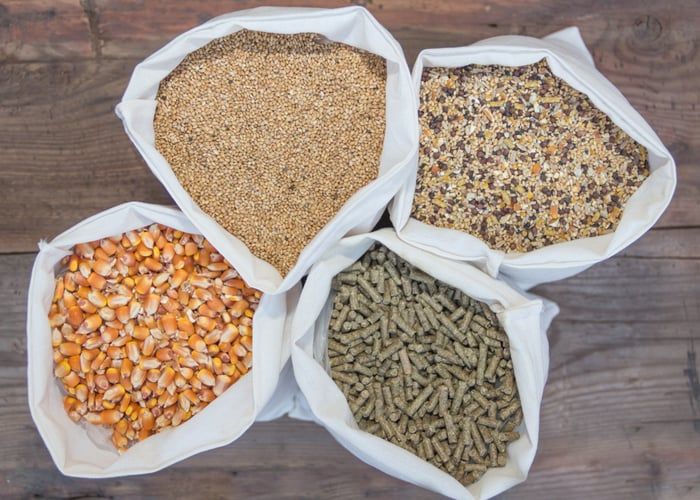
4. Rotate Your Stock
Feed can go stale over time, so it’s crucial to use the oldest stock first:
- Label containers with purchase dates – Helps track freshness.
- Buy only what you can use within a month or two – Reduces the risk of spoilage.
- Inspect feed before use – Look for mold, unusual smells, or insect activity before feeding your chickens.
5. Consider Supplementary Storage Tips
- Vacuum-seal small batches – If you buy in bulk, sealing smaller portions can prolong freshness.
- Add diatomaceous earth (DE) to grain-based feed – Helps deter pests without harming chickens.
- Keep a scoop in each bin – Reduces contamination from dirty hands or tools.
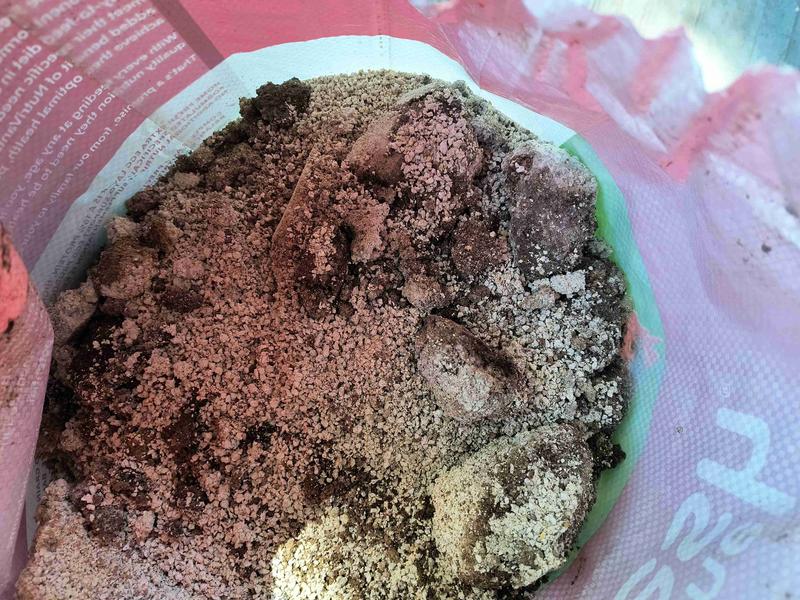
Signs of Spoiled Chicken Feed
Even with the best storage methods, feed can sometimes go bad. Look out for these signs:
- Mouldy or clumped feed – Indicates moisture exposure.
- Foul odour – Spoiled feed has a sour or musty smell.
- Unusual insect activity – Bugs inside the feed are a red flag.
- Reluctant chickens – If your birds refuse to eat the feed, it may be stale or contaminated.
Conclusion
Properly storing your chicken feed ensures that your flock stays healthy, producing high-quality eggs and maintaining strong immune systems. By using airtight containers, keeping feed dry and cool, and rotating stock regularly, you can minimize waste and maximize nutrition. With these simple storage solutions, your chickens will always have access to fresh, high-quality feed.
Do you have a favourite storage method for your chicken feed? Share your tips in the comments below!
En savoir plus sur Maman Poule
Abonnez-vous pour recevoir les derniers articles par e-mail.
 Maman Poule