A comprehensive guide to keeping happy, healthy chickens
Whether you’re a seasoned backyard chicken keeper or just embarking on the adventure of raising your first flock, one question almost always bubbles to the surface: How much space does each chicken really need? The answer is both an art and a science, woven with considerations of breed, behaviour, environment, and your own aspirations as a flock-keeper.
Why space matters for chickens
Before delving into square footage and coop blueprints, let’s consider why space is such a vital topic for chicken enthusiasts. Chickens, much like people, need room to thrive. Cramped quarters can lead to health problems, higher stress, bullying, and decreased egg production. On the other hand, a flock with ample room to scratch, stretch, and sunbathe will reward you with happier birds and a more harmonious coop.
The basics: Coop space vs. run space
When planning for your chickens, it’s important to distinguish between two types of space:
- Coop space: The enclosed area where chickens sleep, lay eggs, and shelter from the elements and predators.
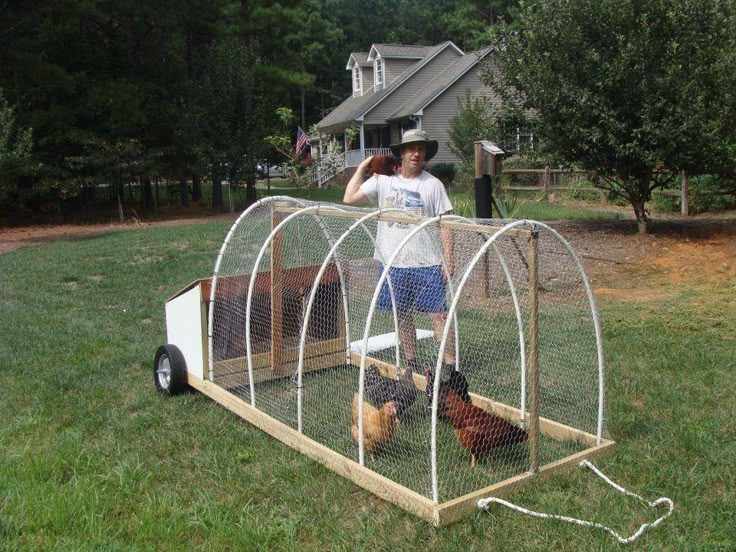
- Run space: The outdoor, fenced area where chickens can forage, dust bathe, and enjoy the fresh air during the day.
Both spaces are essential. Some chicken keepers allow their birds to free-range during the day, while others provide a secure, enclosed run. Your own setup will determine exactly how much of each space your chickens need.
Recommended space requirements
There’s no one-size-fits-all answer, but poultry experts and animal welfare organizations offer some widely accepted guidelines:
Indoor coop space
Whilst internet research and AI suggest the hen house space below, I have always allowed myself to be guided by the manufacturer of the hen house. An average calculation is 30cm of perch space per bird, giving them enough room to cozy up, with the top hen in the centre, but also enough room to spread out when its hot in the height of Summer:
- Standard large fowl breeds (eg Orpingtons, Plymouth Rocks): 0.5m2 per bird inside the coop.
- Bantam breeds: 0.2m2 per bird inside the coop.
- Giant breeds (e.g., Jersey Giants): 0.74m2 per bird inside the coop.
Outdoor run space
My personal preference for outdoor run space is as much as possible! Whilst the average guidelines set out below are sufficient, I have always kept my flocks to an average of 10m2 per bird minimum (large fowl). This allows them to live their lives in total comfort, without overcrowding. The obvious added advantage is that there is always grass in the Summer and never mud in the middle of Winter. Remember: feathered feet don’t like mud as it can lead to skin problems.
- Standard large fowl breeds: 1m2 per bird in the run.
- Bantam breeds: 0.8m2 per bird in the run.
- Giant breeds: 1.4m2 per bird in the run.
If your flock will be free ranging, then the outdoor space requirement can be more flexible. Just remember safety first – check out your area for risk assessment by local predators, including foxes, buzzards and pine martens. However, for contained birds, these guidelines will help keep your flock healthy and content.
Space and flock dynamics
Beyond the numbers, it’s important to remember that chickens have personalities and social hierarchies. The more chickens you keep, or the more varied their breeds and temperaments, the more space you should allocate. Overcrowding can lead to:
- Pecking and bullying: Chickens establish a “pecking order,” and cramped spaces amplify aggression.
- Health issues: Poor ventilation, high ammonia levels from droppings, and rapid spread of diseases.
- Egg-laying problems: Stressed hens may lay fewer eggs or seek out less accessible spots.
Giving your flock “elbow room” is an investment in peaceful coexistence and productivity.
Designing the coop and run
When building or buying a coop, consider both headroom and floor space. Chickens like to perch at night, so add a perch for every bird with at least 30cms of space per chicken. Don’t forget nesting boxes, which should ideally be one box for every 3 hens.
Allow for easy cleaning: a bit of extra space will save your back and your birds’ feet from damp, dirty bedding. Good ventilation is essential – windows or vents near the roof help remove moisture and odours. This will also help prevent against respiratory problems.
In the run, provide shaded areas and protection from predators. If your chickens stay inside for long stretches during winter, err on the side of generosity when allocating indoor space.
Case studies: How space impacts chickens
Consider two hen houses:
- Hen house A houses 6 standard hens in a 7m2 coop with a 18m2 run. Here, birds display natural behaviours, have clean feathers, and lay regularly.
- Hen house B squeezes 10 large hens into a 6m2 coop with a 12m2 run. Overcrowding leads to feather picking and a noticeable drop in eggs.
The difference, while subtle on paper, becomes stark in reality. Flocks with room to roam are visibly more relaxed and robust.
Factors influencing space needs
- Climate: In cold regions, chickens spend more time inside, so a larger coop is essential.
- Breed: Active, flighty breeds need more room; docile breeds are more content in smaller quarters.
- Age: Growing chicks and pullets need less space at first, but plan ahead for their adult size.
- Enrichment: Adding perches, dust baths, stumps, and swings encourages exercise and reduces boredom.

Tips for maximising space and flock happiness
- Always build bigger if you can – no one regrets extra space!
- Use mobile “chicken tractors” to rotate grazing areas.
- Keep the run interesting with logs, branches, and mirrors.
- Avoid sharp edges and ensure adequate drainage in both coop and run.
Conclusion: The gift of space
Ultimately, providing your chickens with ample space is a gesture of respect for these resourceful, inquisitive creatures. Whether you’re raising a handful of backyard hens or dreaming of a small farm, generous living quarters are the foundation of a thriving flock. As you watch your birds scratch in the sun and settle in for the night, you’ll be rewarded not only with bountiful eggs but with the contented clucks of chickens that truly have room to be themselves.
Happy chicken keeping!
En savoir plus sur Maman Poule
Abonnez-vous pour recevoir les derniers articles par e-mail.
 Maman Poule